What Are Snap Action Micro Switches And How Do They Work?
The snap action micro switch is actually a type of micro switch. Its main feature is that it completes its work through a quick response mechanism, which improves the response speed and reliability. This article will introduce the relevant knowledge of snap action switches in detail, aiming to help you better understand the working principle of snap action switches.
What Is a Snap Action Micro Switch?
Definition
A snap action switch is a micro switch that can quickly open and/or close a circuit. In order to achieve the fastest response, only a small amount of pressure is required to trigger the switch actuator to achieve the conversion of circuit function. Therefore, it is widely used in various devices and scenarios. Its rapid response speed and stability make it the first choice for automotive safety testing, household appliances, etc.
Features
The main feature of a snap action switch is its rapid and decisive switching action. When the contacts move from one position to another, there is usually a sharp "snap" sound, which not only provides user-perceivable feedback but also enhances the reliability of the switch.
Snap Action Switch Structure
The structure of a snap action switch usually consists of the following parts:
- Shell: The solid shell protects the internal components and is usually made of durable materials to avoid the influence of external factors such as dust and moisture.
- Button: Used to trigger the switch action manually or mechanically.
- Lever: Increases the force and helps trigger the switch under less pressure.
- Spring: Keeps the contact in a stable position when there is no external force, affects the response speed and stability, and quickly restores the button position after pressing.
- Contact: Responsible for circuit conduction and disconnection, made of metal material, with good conductivity and wear resistance.
- Actuator: Receives external force and triggers the switch operation; the actuator has various shapes to meet different needs.
- Terminal block: The terminal block usually has two to three terminals, including normally open, normally closed and ordinary terminals, which are used to connect the power or signal line to ensure stable circuit connection.

How Does A snap action Switch Work?
Working Principle Of snap action Switch
The working principle of the snap action micro switch mainly relies on the interaction between its internal snap spring and contacts. During operation, when the external force is applied to the switch through an actuator (such as a lever or button), it pushes the internal spring to gradually accumulate potential energy. Once the potential energy of the spring reaches a critical point, the contacts will move quickly to complete the closing or opening of the circuit. This "snap action" mechanism not only responds quickly, but also operates stably and reliably, achieving fast and precise circuit switching.
Working Principle Of Each Structure
- Shell: protects internal components from external factors such as dust and moisture, ensuring long-term stable operation of the switch.
- Contact: core conduction and disconnection components, realize circuit closing or disconnection under the action of spring, and ensure instantaneous switching of current.
- Spring: accumulates and releases potential energy. When the actuator applies enough pressure, the spring releases energy instantly, causing the contact to move quickly and complete the switch action.
- Actuator: receives external force (such as pressing) and transmits the force to the spring to trigger the switch operation.
- Support structure: stabilizes the position and layout of internal components to ensure the accuracy and consistency of the switch action.
Application Of Snap Action Switches
Automotive Industry
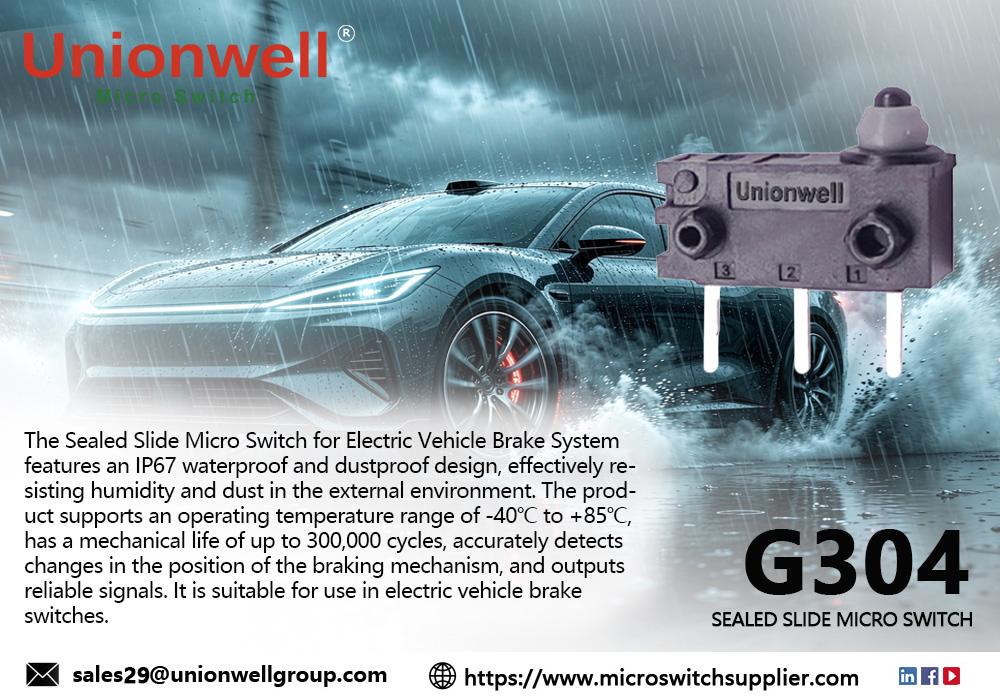
In the automotive industry, snap action micro switches are widely used in door locks, engine ignition systems, and seat belt warnings. These switches have become key components of automotive safety systems due to their fast response and high reliability. For example, when a door is closed, the G303 snap action door switch can quickly detect the state of the door and send a signal in time to start or shut down related systems. In addition, many automakers choose snap action micro switches to ensure safety performance and user experience.
Household Appliances
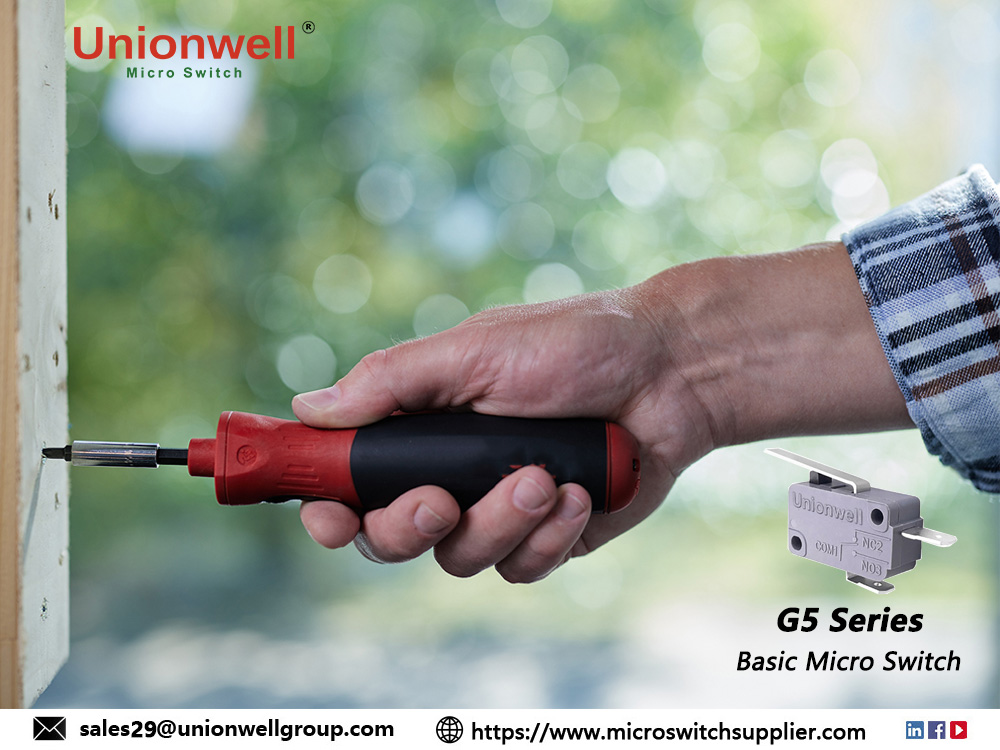
snap action micro switches are commonly used in household appliances such as washing machines, microwave ovens, and refrigerators. These switches are used to control the opening and closing of doors, ensuring that the device cannot be started when the door is not closed, thereby improving user safety. For example, in a microwave oven, the G5 microwave oven door snap switch is used to detect whether the door is closed. The microwave oven will only start working when the door is safely closed, which can effectively avoid accidental injuries.
Industrial Equipment
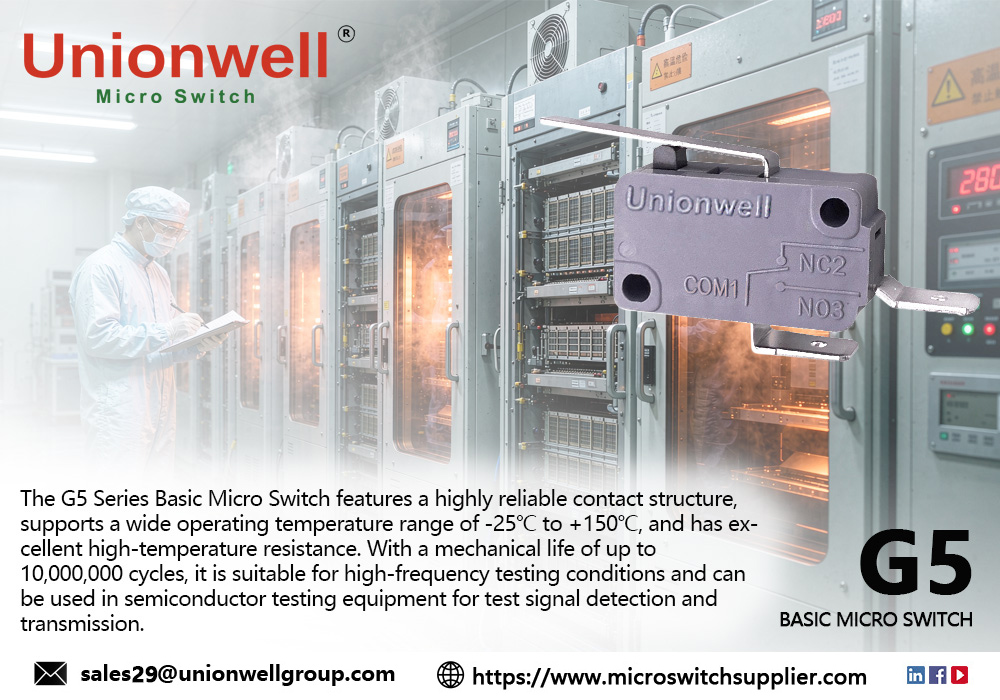
In industrial environments, snap action micro switches are often used to control the start and stop of machines. These switches can withstand high-frequency operations and provide stable performance, suitable for use in high-voltage and high-load environments. For example, many automated production lines use snap action micro switches to achieve precise control of equipment, ensuring smooth and efficient production processes.
Benefits of Snap Action Switches
snap action micro switches have several advantages that make them popular in a variety of applications:
- Fast response: They are able to switch circuits in a very short time, ensuring that the device can operate quickly. This fast response is especially important in high-performance devices.
- Reliability: Due to their simplified mechanical structure, snap action micro switches have a low failure rate and a long service life, so many manufacturers choose to use snap action micro switches to improve the reliability of their products.
- Versatility: They can be used in a variety of devices and environments to meet different needs. Whether in home appliances or industrial equipment, snap action micro switches can play an important role.
- Low power consumption: The power consumption required during operation is low, which helps save energy. This is especially important for devices that need to operate for a long time.
FAQ About Snap Action Switches

Q1: How does a snap action switch work?
A1: A snap action switch switches the contacts quickly through an externally applied force, thereby opening and closing the circuit, usually within a few milliseconds.
Q2: What applications are snap action switches suitable for?
A2: snap action switches are widely used in automobiles, household appliances and industrial equipment, mainly for controlling the opening and closing of circuits.
Q3: How to choose a suitable snap action switch?
A3: When choosing a snap action switch, you should consider parameters such as the switch's rated voltage, current, operating environment, and its response speed.
Q4: What are the advantages of snap action switches?
A4: The advantages of snap action switches include fast response, high reliability, versatility and low power consumption.
Q5: What should be paid attention to in the maintenance of snap action switches?
A5: When maintaining snap action switches, the wear of the contacts should be checked regularly, and the housing should be ensured to be free of cracks and kept clean to extend its service life.
Revealing The Art Of The Waterproof Micro Switch Process
Home Appliance Waterproof Micro Switch Buyer's Guide
Related Article