How a Dustproof Mini Micro Switch Keeps Your Sofa Hand Control
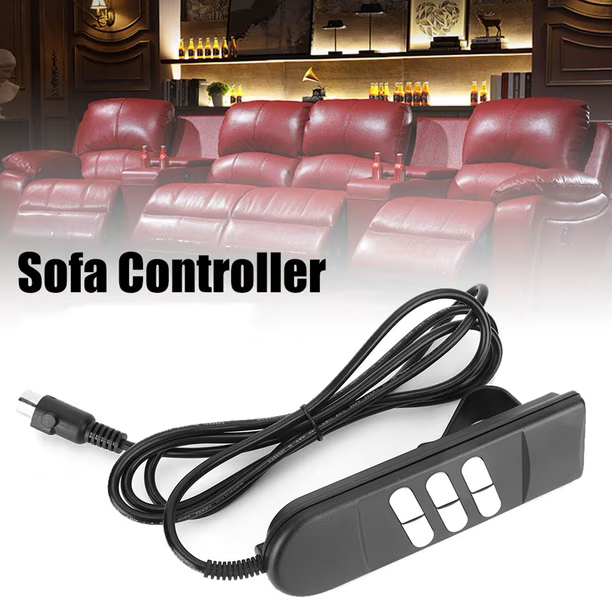
Handheld controllers for power-reclining sofas are connected to the furniture via a coiled cable. When not in use, they are typically stowed in a side pocket or hung on a hook attached to the sofa’s armrest. Because these controllers are frequently picked up, set down, moved, and stored, they are often exposed to fabric fibers, dust, and food crumbs. Furthermore, users expect an immediate response from the sofa the moment a button is pressed.
A key internal component that addresses these requirements is the dustproof mini micro switch. This article explores how such switches prevent solid particles from entering their internal mechanisms and translate button presses into motor commands, providing a clearer understanding of the role this electronic component plays.
Why the Sofa Hand Control Needs a Dustproof Mini Micro Switch
The Operating Environment of the Dustproof Mini Micro Switch
Handheld controllers are usually kept in a side pocket or on a hook on the sofa’s armrest. This placement exposes the switch to specific external stressors: as the controller is repeatedly moved in and out of its storage spot, it can pick up fabric fibers, skin particles, and small debris. Simultaneously, the coiled cable undergoes constant bending, pulling, and handling—actions that exert mechanical stress on the controller’s housing, cable entry point, and internal connections. These factors define the actual operating conditions for the dustproof mini micro switch.
The Internal Environment of a Hand Control
The interior of a handheld controller is highly compact, housing a micro switch, a circuit board, and a cable strain relief; consequently, the switch must be integrated into a very limited space. Moreover, the micro switch must effectively block the ingress of external particles, preventing fabric fibers and debris from accumulating on the circuit board or within the switch itself. Such contamination could lead to poor electrical contact, resulting in unresponsive buttons—a failure that is both frustrating for the user and complicates the troubleshooting process for after-sales support. In summary, the dustproof mini micro switch is an ideal electronic component, as it prevents particles from entering the contact cavity while maintaining a compact form factor.
What "Dustproof" Means at the Switch Level
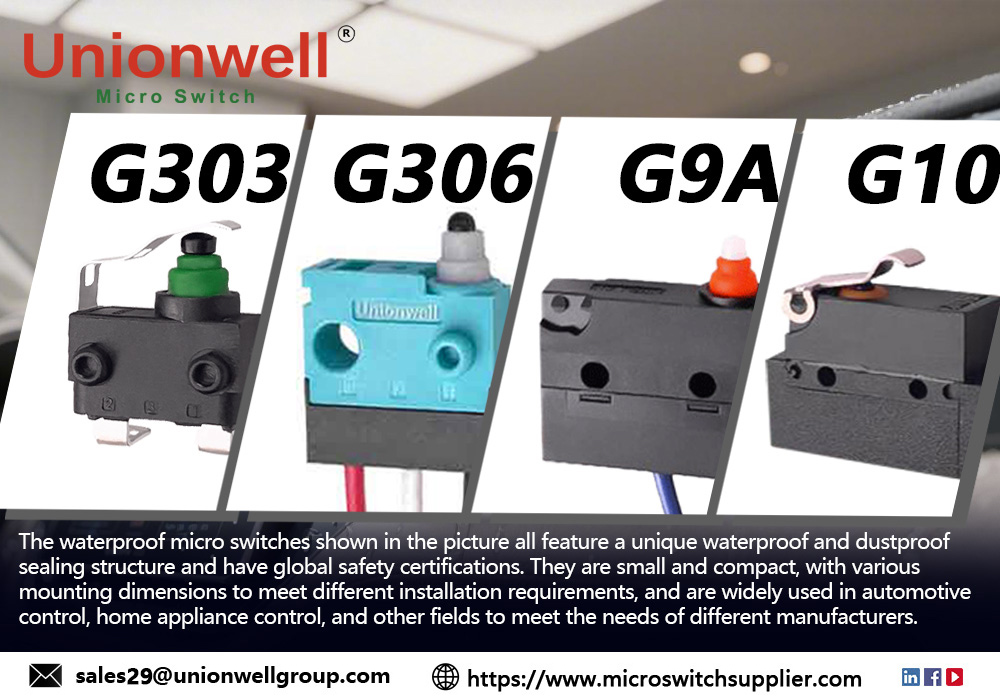
At the switch level, "dustproof" refers to an integrated structural design: shielding around the actuator minimizes the ingress of particles, while tightly sealed seams between the upper and lower housing components prevent fibers from reaching the contact cavity. For handheld controllers, these design features help protect against dust and fabric fibers encountered during daily handling—whether the device is placed in a pocket or hung from the side of an armrest.
How a Dustproof Mini Micro Switch Works in a Hand Control
The circuitry of a hand control consists of buttons, micro switches, a circuit board, and a coiled cable that connects to the linear actuator motor. When a user picks up the hand control and presses a button, the micro switch converts this mechanical action into an electrical signal. The circuit board then transmits a command via the cable to the corresponding drive circuit. Consequently, the micro switch serves as the critical mechanical input component bridging human operation and the electric functions of the furniture (such as a sofa).
From Button Press to Motor Command
The complete signal chain functions as follows: a finger presses a button, which in turn depresses the actuator of the micro switch. This triggers a rapid change in the switch contacts. Upon detecting this signal, the circuit board commands the relevant motor to rotate forward or backward, causing the sofa—such as its lift mechanism or backrest—to move. These switches typically feature an SPDT (Single-Pole, Double-Throw) terminal configuration, allowing a single switch to handle both "command activation" and "status detection," which streamlines the wiring.
Snap Action and Button Feel
The "snap action" mechanism defines the tactile feedback of the hand control buttons: it ensures a short travel distance and a distinct, positive "click" sensation, allowing the contacts to switch rapidly when pressed. For hand controls that are frequently picked up, operated, and then returned to a side pocket or hung on the side of an armrest, clear and consistent feedback helps the user confirm that their command has been registered. Maintaining a uniform actuation point across all buttons minimizes variations in tactile feel, thereby enhancing the overall user experience.
How to Select a Dustproof Mini Micro Switch for Sofa Hand Controls
For manufacturers of handheld sofa controllers, the selection process should follow this sequence: first, determine the electrical load the switch will handle; next, match the desired tactile feel and mounting structure; and finally, verify the service life, environmental conditions, and certification requirements. For models featuring coiled cables—whether stored in a side pocket or hung via a hook—it is also essential to evaluate the space around the cable exit, the range of cable movement, and the overall layout of the controller housing. This ensures that the cable is not subjected to excessive bending or tension, which could compromise both assembly and long-term durability.
Electrical Rating and Contact Material
Handheld controllers typically operate low-voltage DC linear actuator motors; therefore, loads should be categorized into two tiers. For pure signal-level switching, a rating of 0.1A 125/250V or 48VDC is appropriate to ensure reliable low-level signal transmission. If the switch is intended to handle the motor circuit directly, a rating of 5A 125/250VAC should be specified. Distinguishing between signal and power circuits is critical for selecting the correct contact material and electrical rating.
Operating Force, Travel, and Terminal Type
The operating force must be determined based on the button design and the intended usage environment. If the force is too light, the buttons may be accidentally triggered when the controller is placed in a side pocket or hung on the side of an armrest—for instance, through contact with fabric or other objects. Conversely, if the force is too heavy, the controller may become difficult to operate, particularly for elderly users or individuals with specific physical needs.
The travel distance must align with the button structure of the housing, and the switch should provide clear, crisp tactile feedback. This is why push-button actuators are commonly used in these controllers, avoiding the unnecessary complexity of additional lever mechanisms. The choice of terminal type depends on the circuit board layout, assembly processes, and available space; it cannot be determined in isolation from the overall design of the device.
Service Life, Temperature, and Certification
Service life should be evaluated based on the expected frequency of use and the product’s design specifications. Since the electrical and mechanical lifespan of a dustproof mini micro switch varies by specific model and load conditions, one cannot simply rely on a generic range to determine whether a component is sufficient for a given application.
The recommended operating temperature range is -40℃ to +85℃; the specific range should ideally be selected based on the actual environment in which the hand control is used and stored. For products intended for export, it is also necessary to verify compliance with the certification requirements (such as UL, cUL, ENEC, or CQC) applicable to the target market. In the case of hand controls equipped with a coiled cable, the overall product validation must account for real-world usage scenarios—such as repeated stretching and retraction of the cable, as well as the hanging or storage of the hand control—rather than relying solely on the lifespan specifications of the micro switches themselves.
Conclusion
For handheld recliner controls—which connect to the sofa via a coiled cable and are typically stowed in a side pocket or hung from the armrest—a dustproof, miniature micro switch helps minimize the risk of dust and fabric fibers entering the contact chamber. Its snap-action contact mechanism ensures that button presses are reliably converted into electrical signals.
Selecting the appropriate operating force, travel distance, and mounting configuration helps strike a balance between providing clear tactile feedback and preventing accidental activation. Furthermore, specifications such as operational lifespan, rated load, and relevant certifications must be verified against the specific operating conditions of the end product. For manufacturers of electric recliners, it is essential to evaluate the micro switch factories’ parameters in conjunction with the hand control’s housing design, storage method, cable outlet layout, and the range of motion of the cable, ensuring the final product is well-suited for real-world usage scenarios.
How to Find the Suitable Waterproof Micro Switches for Industrial Applications
Related Article