Why Choose a Subminiature Sealed Micro Switch for Automotive Applications?
With the increasing integration and intelligent upgrades of automotive electronic systems, door control modules, window control systems, and smart cockpits almost all rely on precise and stable signal feedback components. In this context, micro switches directly impact the safety and stability of the entire vehicle system.
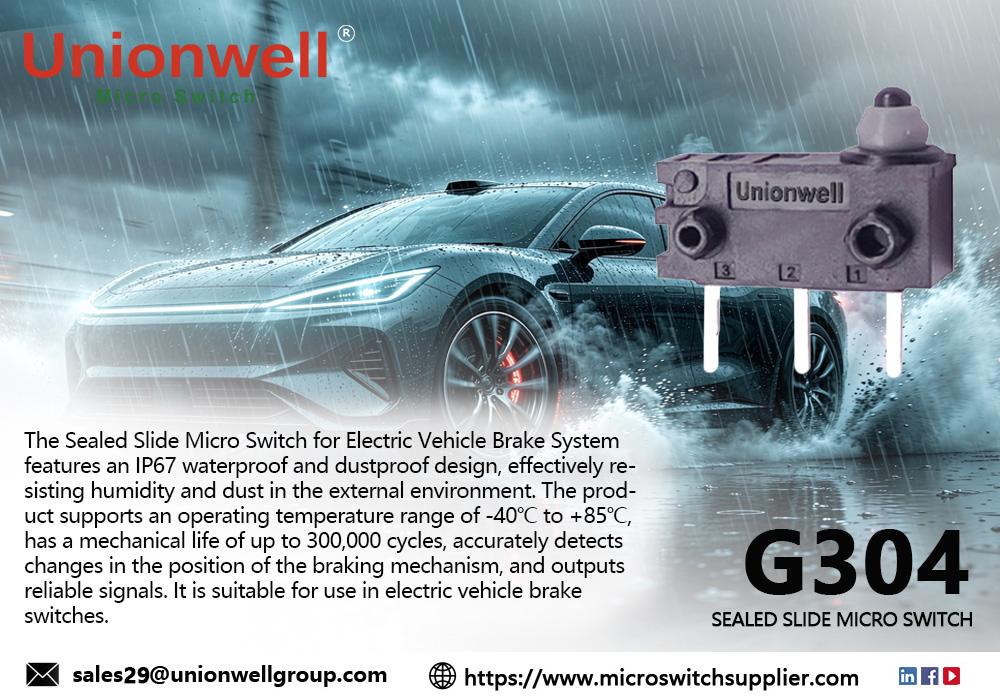
Automotive application environments typically involve complex conditions such as continuous vibration, impact loads, moisture condensation, and dust contamination. Especially in areas like inside doors, near the chassis, or in the engine compartment, frequent temperature fluctuations and the risk of moisture intrusion make basic micro switches prone to contact oxidation and malfunctions.
Therefore, the core question arises: why are subminiature sealed micro switches more suitable for automotive systems? The answer lies not only in "waterproofing" or "small size," but also in their structurally reinforced design and reliability-enhancing mechanisms tailored to the harsh automotive environment.
What Is a Subminiature Sealed Micro Switch and Its Engineering Characteristics
A subminiature sealed micro switch is a high-reliability version of a micro switch, achieved through miniaturization, structural optimization, and overall sealing design upgrades. Its core engineering features are "subminiature" and "sealed."
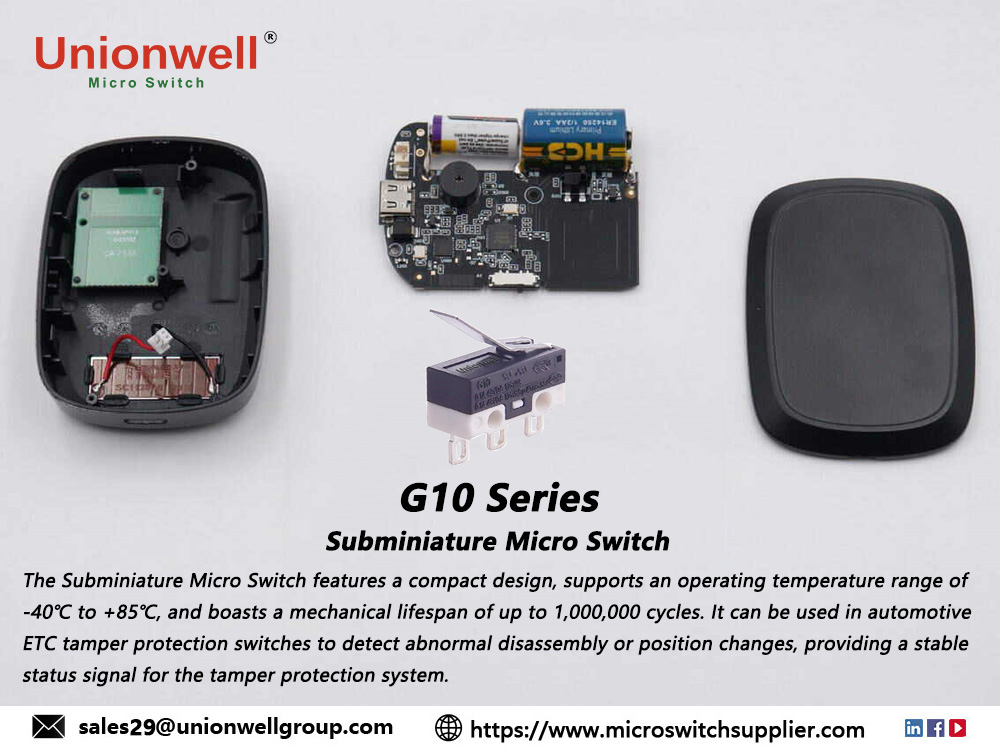
"Subminiature" is reflected in its size compression and space adaptability. Modern automotive modules have limited internal space, especially in door locking mechanisms, seat rail systems, or charging interface components, making compact structure a design prerequisite. Subminiature sealed micro switches, by reducing housing size and optimizing spring layout and contact structure, can be embedded in confined spaces without compromising operational precision.
"Sealed" focuses on isolating from external environmental contamination. Its goals include waterproofing, dustproofing, oil resistance, and condensation prevention. Compared to basic micro switches, its housing closure is more complete, and the interface area undergoes special treatment to ensure that the internal contact cavity is not affected by external moisture.
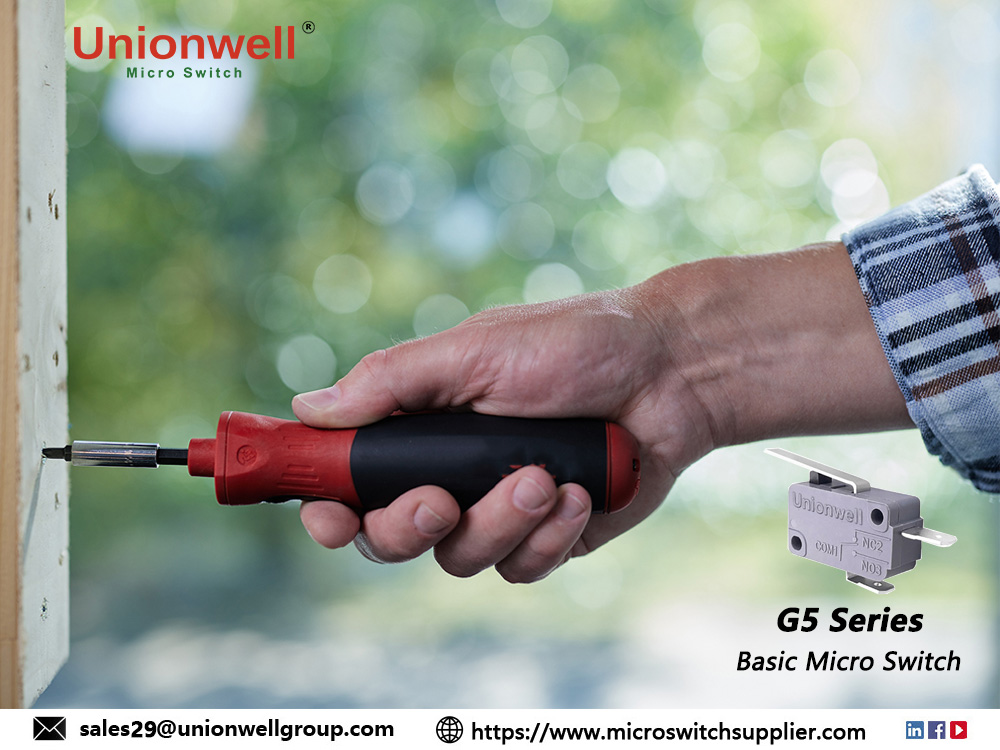
From a size and structural perspective, basic micro switches often use simple snap-fit housings, which are prone to failure due to insufficient sealing in the high humidity and high vibration environment of automobiles. Subminiature sealed micro switches, on the other hand, achieve automotive-grade stability through structural reinforcement.
Sealing Structure of Subminiature Sealed Micro Switch
The unibody housing structure is the foundation of the sealed design. This structure uses high-strength engineering plastics, precision-molded into shape. The upper and lower housings are seamlessly joined via structural interlocking, avoiding the micro-gap problems of traditional snap-fit structures.
At the operating end, common protection methods include elastic sealing sleeves or embedded sealing rings. Their function is to ensure that moisture does not enter the internal contact cavity along the drive shaft when external pressure or lever action occurs.
The terminal area uses sealing filling technology to prevent moisture from penetrating along the wire interface. Some designs add sealing rings at the connection between the terminals and the housing to improve the overall protection level.
The engineering implementation of sealing rings or sealing technologies typically relies on high-precision assembly processes. The sealing material must possess high-temperature resistance, aging resistance, and oil resistance properties to ensure that it maintains elasticity and sealing performance in environments ranging from -40°C to 85°C.
Contact System Design in Subminiature Sealed Micro Switch
The contact system is the core of the micro switch. Subminiature sealed micro switches typically use silver alloy contacts to meet medium-to-high current load requirements. For low-current signal detection scenarios, gold-plated contacts can be used to reduce contact resistance.
The snap action mechanism, a core element of the micro switch, ensures a clear on/off state at the moment of actuation, preventing intermediate states, prolonged arcing, or unstable contact caused by slow contact.
Regarding arc control, contact spacing, material melting point, and spring rebound speed all affect electrical life. The sealing structure plays a crucial role here—by blocking oxygen and moisture, it reduces arc oxidation, thereby maintaining long-term stability of contact resistance.
Automotive Environment Challenges for Subminiature Sealed Micro Switch
Temperature Extremes and Thermal Cycling Impact on Micro Switch
The typical temperature range in the automotive environment is -40°C to 85°C, and even higher in some areas. Low temperatures can cause materials to become brittle, while high temperatures can accelerate the aging of plastics and contact springs. Thermal expansion and contraction can alter the stress distribution of the internal metal structure; if poorly designed, this can cause fluctuations in contact pressure, thus affecting conductivity stability. Long-term thermal cycling can also lead to fatigue of contact spring materials, reducing mechanical life.
Subminiature sealed micro switches, through material selection and structural compensation design, can reduce drastic temperature changes, thermal expansion and contraction, and mitigate the impact of thermal stress on performance, making the overall vehicle more stable and reliable.
Moisture, Condensation, and Dust Exposure
In the interior of car doors and the engine compartment, temperature differences can easily cause condensation. If moisture enters the switch, it can cause contact oxidation or create weak conductive paths, triggering false signals. Dust and oil can adhere to the contact surface, increasing contact resistance. Therefore, the sealing structure of a subminiature sealed micro switch is crucial in automotive applications, effectively isolating these contaminants and maintaining a stable internal environment.
Vibration and Mechanical Shock in Automotive Systems
Continuous vibration during driving can cause minute displacements in the internal springs and contact system. Insufficient structural rigidity can lead to contact jitter. High-frequency vibration can also pose an unacceptable risk of false triggering. Subminiature sealed micro switches, through their compact structure and reinforced support design, significantly improve vibration resistance.
Typical Automotive Applications of Subminiature Sealed Micro Switch
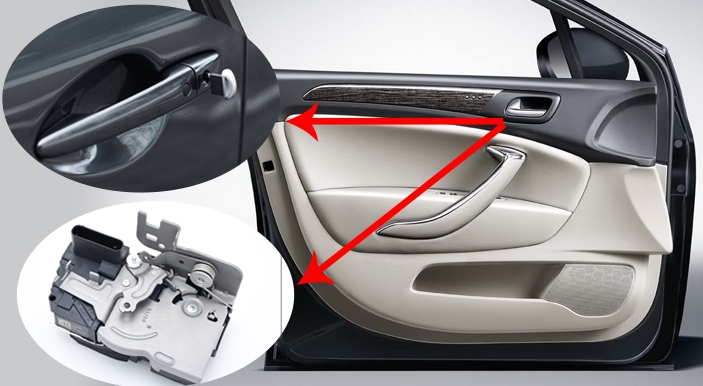
In door lock detection systems, the subminiature sealed micro switch primarily detects and informs the body control module of the door lock status (Lock/Unlock), serving as a status feedback sensor for linked vehicle alarms.
With the increasing prevalence of power tailgates, micro switches have evolved from simple lighting controls to safety controls. The subminiature sealed micro switch can detect whether the tailgate is fully closed. When the door touches the bottom latch, it sends a signal via a snap-action structure, initiating the tailgate locking action.
In new energy vehicles, charging interface status detection is particularly critical. The subminiature sealed micro switch is installed inside the charging gun plug. It is only fully depressed when the charging gun is fully inserted into the socket, allowing the BMS to activate high-voltage current and prevent safety accidents.
Key Benefits of Integrating Subminiature Sealed Micro Switch into Automotive Platforms
First, it reduces the overall vehicle failure rate; the sealed design reduces failures caused by environmental factors.
Second, stable signal feedback improves overall vehicle safety, which is fundamental to the normal operation of safety systems. Finally, the mechanical lifespan of the subminiature sealed micro switch matches the overall vehicle design lifespan, extending the vehicle's lifespan and reducing maintenance and replacement costs.
Conclusion
Through miniaturization and a fully sealed design, the subminiature sealed micro switch achieves structural reinforcement and environmental isolation, fundamentally improving reliability. Its stability is irreplaceable in safety-critical systems. As automotive electronic systems continue to upgrade, the demand for high-performance sealed micro switches will continue to grow.
For micro switch manufacturers, continuously optimizing sealing structures, miniaturization designs, and material reliability will become core competencies for winning in the automotive market and should be a priority in their R&D efforts.
Why Gamers Prefer Polar Magnetic Keyboard Switch in Hot Swappable Designs
How Waterproof miniature Micro Switch Improves Reliability in Automotive and Home Appliances
Related Article