From Detection to Protection: The Micro Switch Behind Seat Belt Safety Alerts
Modern automotive safety systems are becoming increasingly intelligent and electronic. From driver assistance systems (ADAS) to occupant protection systems, vehicles are implementing active safety management through a multitude of sensors and electronic control units. Seatbelt detection and warning systems are among the most fundamental and critical components.
Today's intelligent seatbelt systems monitor in real time whether the occupant is properly buckled, whether the seatbelt is locked, and whether it is abnormally loose. They provide instant alerts through audible, visual, or central control display. So, where does the signal behind these "safety alerts" originate? The answer lies in a crucial component: the micro switch. It is the first step in the seatbelt system's "from detection to protection."
What Is a Micro Switch and How It Works in Seat Belt Systems
Micro Switch Definition and Structure
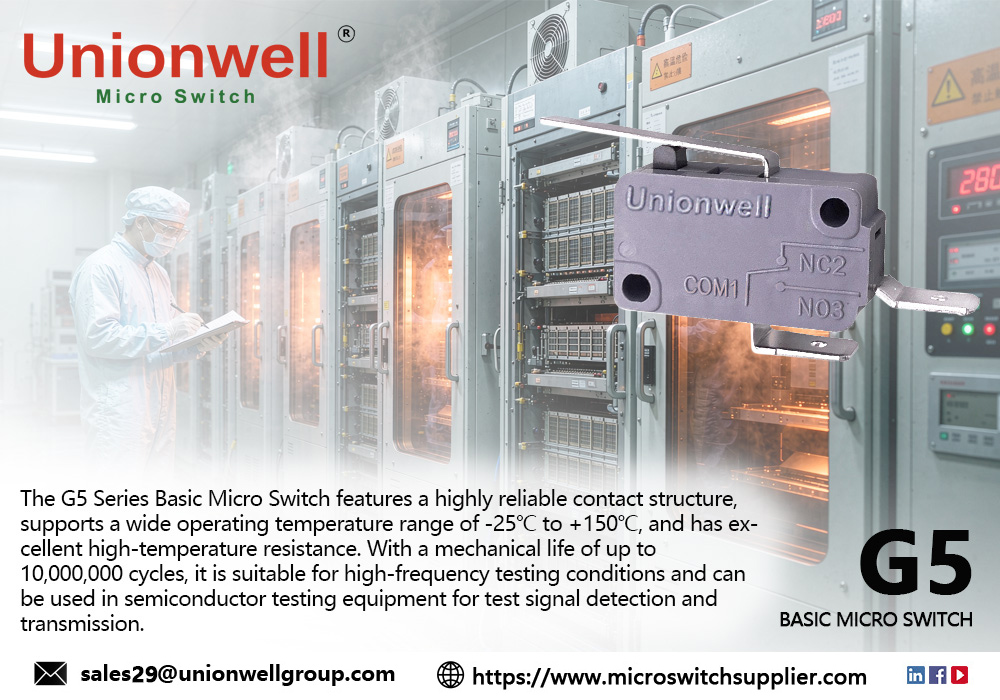
A micro switch is a mechanical electrical switch known for its small stroke, fast action, and high sensitivity. It typically consists of the following components:
Actuator: Receives external physical action (such as insertion or pressing) and transmits it to an internal mechanism.
Return Spring: Typically made of conductive spring material. It moves and triggers an action when subjected to external force, and quickly recovers when the force is removed, achieving a fast, "instantaneous" reverse action.
Metal contacts (Contact system): Consists of a moving contact and a stationary contact, responsible for connecting and disconnecting the circuit. When the spring moves to a critical point, the moving contact quickly engages or separates from the stationary contact.
Housing: Typically a plastic housing, it primarily protects against dust, moisture, and vibration.
Compared to limit switches, micro switches have a very short trigger stroke, requiring only a tiny displacement to achieve precise circuit switching. Their stable operation and long life make them ideal for automotive electronic systems requiring high-frequency operation and precise feedback.
How Micro Switches Work
The core technology of micro switches is the so-called "Snap Action Mechanism." When a slight external mechanical force is applied (such as when a seat belt is inserted into a buckle), the internal spring mechanism quickly releases stored energy, causing the metal contacts to flip instantly, closing or disconnecting the circuit. The complete operating logic of the seatbelt system is as follows:
When a passenger inserts the seatbelt buckle, the micro switch is depressed, spring displacement causes the metal contacts to close, and a signal is transmitted to the central control system. The system then recognizes this as a "safe state," and the warning light goes off. If the passenger is not fastening their belt or it becomes loose during operation, the contacts open, which the system immediately detects and issues an audible and visual warning.
In this way, the micro switch enables the entire seatbelt system to provide instant detection, intelligent judgment, and safe response capabilities.

The Role of Micro Switches in Seat Belt Safety Alerts
Status Detection and Signal Feedback
In the seatbelt system, the micro switch is the first step in status detection.It directly senses whether the seatbelt connector is fully inserted into the buckle, converting the physical motion into an electrical signal and feeding it back to the vehicle control unit (ECU).
When the occupant correctly fastens the seatbelt, the circuit is closed, and the system confirms the safety status. If the driver forgets to fasten the seatbelt, or the belt becomes loose, the microswitch immediately interrupts the signal, causing the instrument panel light to flash and a buzzer to sound.
This "instant feedback mechanism" significantly reduces the risk of human error.
Interconnected Control with Vehicle Safety Systems
In high-end vehicles, the micro switch performs more than just a detection function; it also interconnects with the vehicle's safety systems:
It communicates with the ECU system to synchronize seatbelt status with the airbag system.
In emergency braking or collision situations, the seatbelt status signal determines whether to delay or suppress airbag deployment to prevent secondary injuries.
Some models even use the micro switch signal to activate the seatbelt pretensioner.
It can be seen that the micro switch in modern automobile seat belt systems is not only a detection element, but also a key trigger point in the active safety control link.
Why High-Quality Micro Switches Are Essential for Seat Belt Systems
Reliability and Safety
The micro switch is the first triggering node in the seat belt detection chain. If contact is poor or faulty, the system will be unable to accurately determine the seat belt status, resulting in false or missed alarms. Therefore, high-quality micro switches utilize highly conductive contact materials and a stable spring structure to ensure accurate operation in high-temperature, vibrating, and humid environments.
Automotive-grade products typically undergo high-temperature cycling tests (-40°C to +85°C), mechanical shock and vibration testing, and signal jitter and delay verification to ensure reliable signal output in real-world road conditions.
Durability and Lifespan
As a frequently used component, the micro switch at the seat belt buckle may be triggered dozens of times daily.
As such, high-quality automotive micro switches typically exhibit:
A mechanical lifespan exceeding 1 million cycles;
An electrical lifespan exceeding 100,000 cycles;
Contact stability and low impedance over extended periods of time.
Even in high-frequency applications such as taxis, ride-hailing services, and commercial vehicles, they maintain accurate detection and long-term stability.
Protective Performance
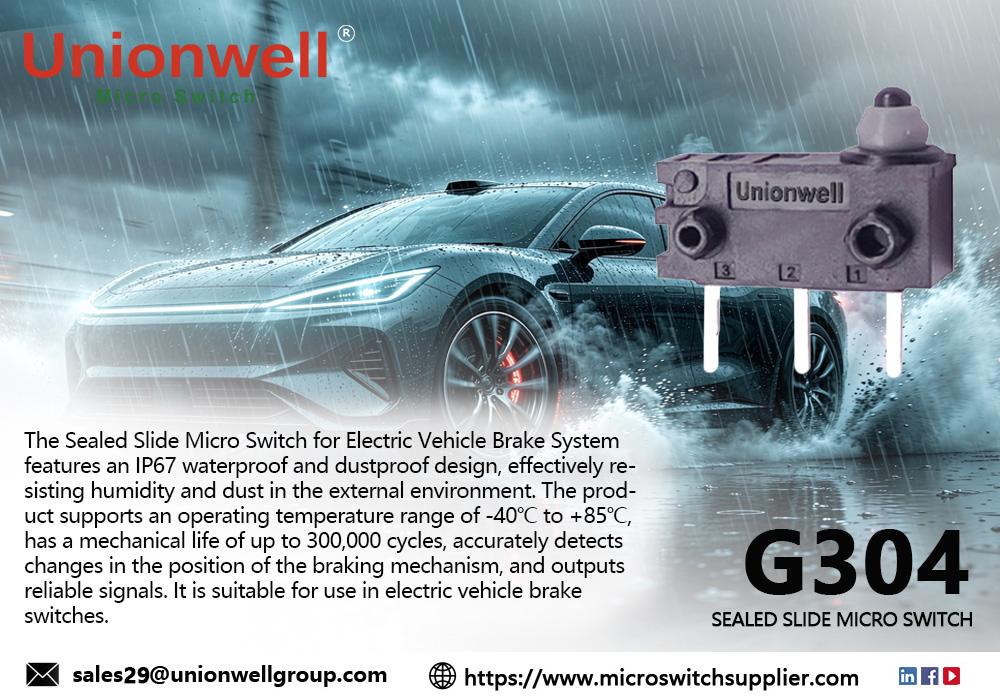
Seatbelt buckles are often located at the bottom of seats or near the occupant's feet, making them vulnerable to spills, dust accumulation, and humidity.For this reason, many automotive micro switches feature an IP67 water and dust resistance rating, effectively preventing moisture from penetrating and potentially causing contact oxidation or malfunction.This encapsulated structure not only extends service life but also significantly improves the overall reliability and environmental adaptability of the seatbelt system.
Key Design Considerations for Micro Switches in Automotive Seat Belts
Size and Structural Compatibility
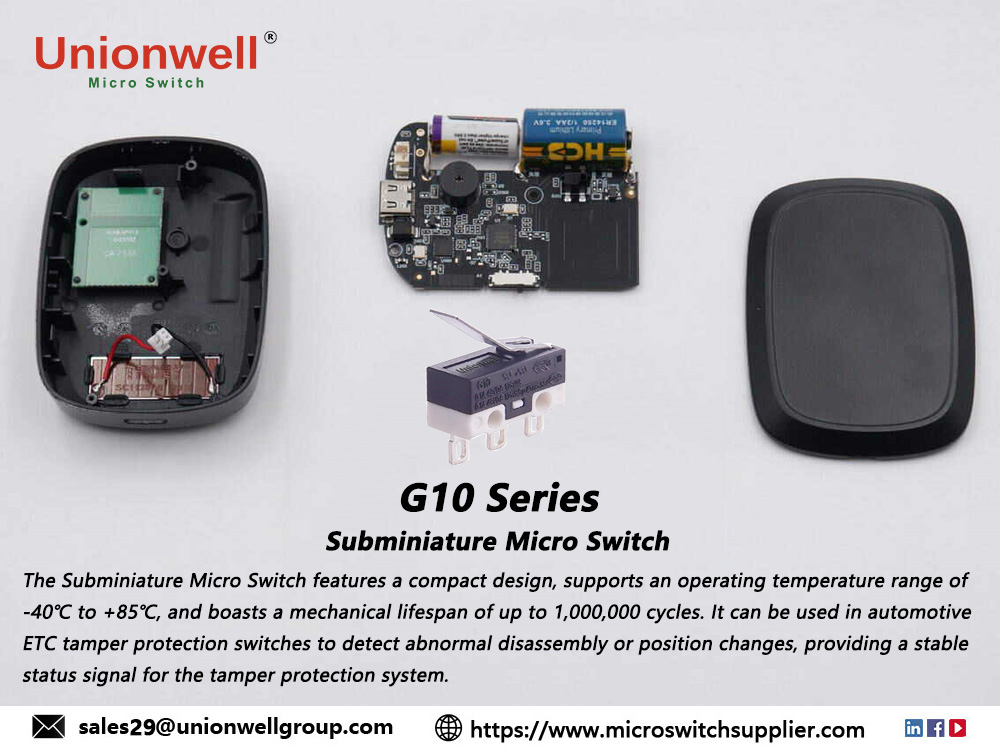
Due to the extremely limited space within seat belt buckles, micro switches must be compact, responsive, and flexible to install.
Current mainstream applications include:
Short-stroke lever type: smooth action for easy touch activation;
Plunger type: compact structure suitable for longitudinal installation.
This compact design allows for seamless integration into the seat belt buckle without compromising appearance or mechanical performance.
Electrical Performance and Interface Compatibility
Automotive seat belt systems typically operate from a 12V DC power supply. Micro switch ratings are typically:Rated current: 0.1A to 5A; Contact resistance: ≤50mΩ; Response time: <1ms.
In addition, various interface types are available, such as solder terminals, tab terminals, and custom connectors, to meet the automation requirements of different manufacturers' assembly lines.
Actuation Force and Feedback Accuracy
A high-quality micro switch must exhibit excellent actuation consistency and trigger sensitivity. Typically, an actuation force between 0.5N and 1.5N ensures smooth insertion, immediate feedback, and no signal delay or jitter due to assembly tolerances. This precise feel is a key indicator of micro switch quality.
Future Trends of Micro Switches in Automotive Safety
As automotive electronic architectures evolve toward centralization and intelligence, the application of micro switches is also evolving.
Intelligent Integration: New micro switches will be integrated with sensor modules to transmit real-time signals to the ECU via the CAN bus, enabling higher-level data interaction.
Miniaturization and Modularization: As cabin space changes, micro switch packaging will become smaller and lighter.
High-Reliability Materials: Silver-plated contacts, high-temperature-resistant plastic housings, and reinforced spring structures further enhance corrosion resistance and mechanical stability.
Multifunctional Integration: Future products may enable a single device to simultaneously perform multiple functions, including "detection + false-touch prevention + environmental monitoring," providing stronger support for active safety systems.
FAQ
Q1: What impact will a micro switch failure have on the seatbelt system?
A1: If a micro switch fails, the system may misjudge the seatbelt status, causing the safety warning light to illuminate incorrectly and even affecting the airbag deployment logic.
Q2: Why do some seatbelt warning systems sound even when they are not inserted?
A2: This is because the micro switch constantly monitors for open or closed circuit conditions. When it detects a non-closed circuit, the system automatically identifies it as an "unfastened seatbelt" condition and issues an alarm.
Q3: Can the sensitivity of the micro switch be adjusted as needed?
A3: Yes. Manufacturers can adjust the actuation force (e.g., 0.5N to 1.5N) and travel to suit different seatbelt configurations, aligning the insertion feel with the signal trigger point.
Q4: If the vehicle is exposed to high humidity or coastal environments for extended periods, what are the recommended protection requirements for the micro switch?
A4: Choose a product which is an IP67 micro switch, using corrosion-resistant metal springs and a moisture-resistant plastic housing (e.g., PBT/PA66) to prevent contact corrosion.
Q5: Why do some seatbelt micro switches use silver-plated contacts?
A5: Silver-plated contacts improve electrical stability, prevent oxidation and arc erosion, and ensure accurate signal output even after extended use.
Conclusion
In the entire intelligent seatbelt detection system, the micro switch is the starting point for the closed loop of "detection-judgment-protection." It transforms a simple plug-in/plug-out action into a safety signal that can be recognized by the electronic system, providing real-time feedback and protection for the driver.
Choosing a high-quality micro switch designed by a micro switch manufacturer not only significantly improves the stability and accuracy of the seatbelt system, but also further enhances the brand's competitiveness in safety and quality. From detection to protection, the micro switch is the "invisible guardian" of travel safety, silently safeguarding the peace of mind and trust of every trip.
The Micro Switch Greatly Improves the Performance of the Printer
What You Should Know About the Waterproof Micro Switch in Modern Juicing Machines
Related Article