What is Motor Electronic Lock for Charging?
A motor electronic lock for charging is a micro switch used in electric vehicle charge guns, which has a great role to play in ensuring the safety of the charge gun and improving the efficiency of the charge gun. What exactly is a motor charge gun and how does it work? This article will answer all the questions for you and also help you choose the right supplier.
What is Motor Electronic Lock for Charging?
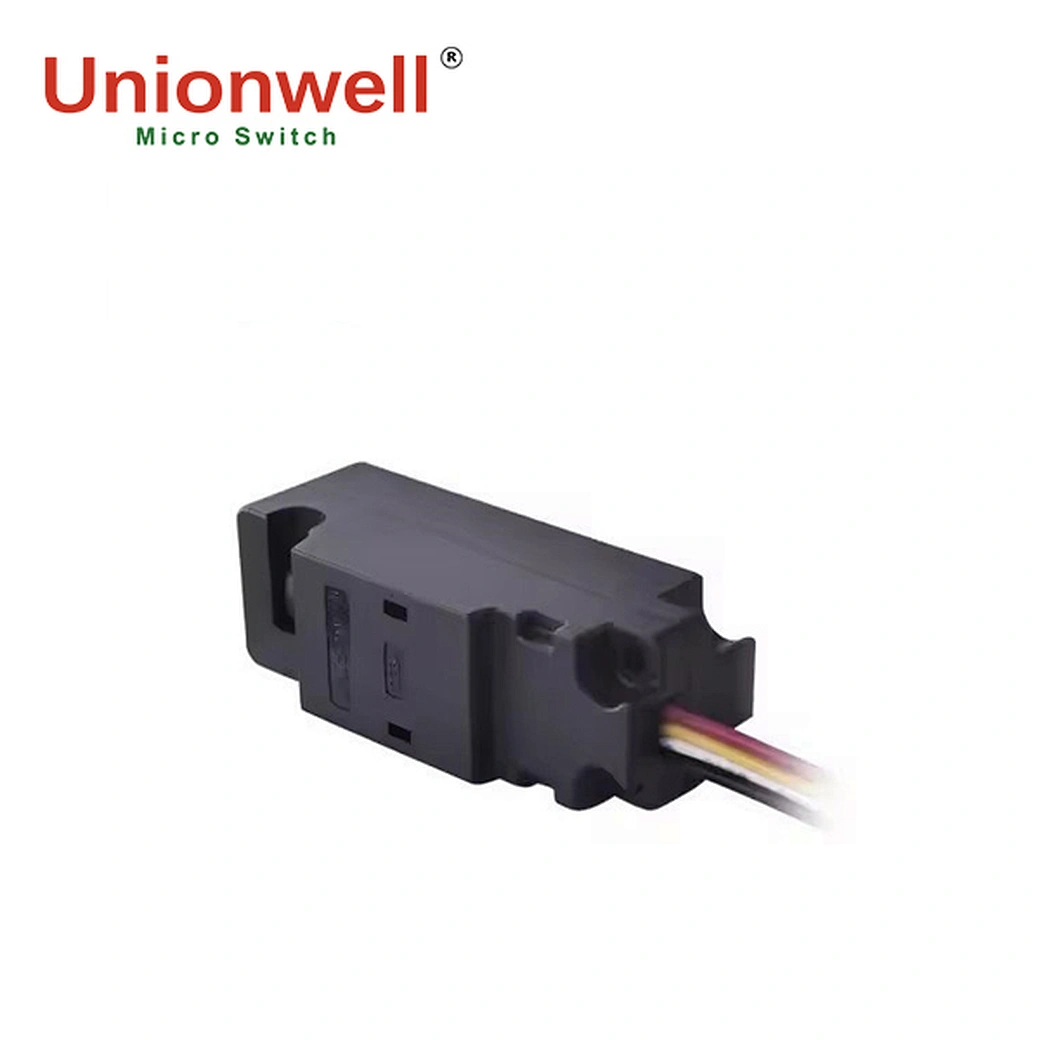
A Motor Electronic Lock for Charging is a compact, motor‐driven actuator integrated into electric‐vehicle (EV) charging ports or charging stations to mechanically secure the connector during a charging session. It prevents premature disengagement, enhances user safety, and provides protection against unauthorized removal or theft of the charging cable.
Features
Rapid and Sensitive Response: These locks use an instantaneous snap action micro switch with a very short travel and low actuation force, allowing the system to detect engagement or disengagement of the motor lock with minimal delay.
Precise Detection: Magnetic or optical sensors detect latch position (locked/unlocked), connector presence, and feeding status to the charging station’s control module.
High Protection Level:The motor e-lock for charging is IP-rated for water and dust resistance, with a gasket and waterproof coating for protection to IP67, the IP67 motor e-lock can be isolated from dust and immersed at 1 meter for 30 minutes.
High Cycle Life: The charging motor electronic lock can withstand at least 60,000 operations, ideal for frequent connection of the charging gun.
Working Principle
Why the Motor Electronic Lock Keeps Charging Guns Safe?
Motor electronic lock for charging is an important safety device to ensure that the plug is firmly connected during the charging process, it can effectively prevent accidental dislodgement or unstable plug situation, to ensure the stability and safety of the charging process.
- Electric vehicle charging gun electronic locks prevent plugs from being pulled out under load, which can cause dangerous arcing or equipment damage.
- By firmly securing the plug, they eliminate the risk of voltage spikes and ensure an uninterrupted power supply, which is essential for high-current DC fast charging stations.
- Most importantly, electronic locks also prevent cable theft and vandalism, especially in unattended public charging stations, which require a locking session before the connector can be unplugged.
Advantages of Motor Electronic Lock for Charging
Prevents Accidental Disconnection: The actuator mechanically locks the connector, so it cannot be withdrawn until the charging session ends, eliminating the chance of user or environmental mishaps interrupting power flow.
Mitigates Arcing and Equipment Damage: By ensuring the plug stays fully engaged under high currents, it stops arcing that can degrade contacts, shortening the lifespan of both gun and inlet.
Enhances Security: Only authorized sessions can unlock the connector, reducing cable theft and tampering—key in public or semi‑public charging zones.
Full Application Adaptation: It supports DC fast charging, AC slow charging and other charging modes, and can be integrated into different equipment forms such as charging piles, charging seats and vehicle charging ports, with strong compatibility.
Disadvantages of Motor Electronic Lock for Charging
Increased Complexity and Cost: Electronic locks for electric vehicle motors, the addition of electric actuators, control electronics and sensors can increase BOM costs and assembly complexity.
Potential Single Point of Failure: If the micro switch actuator in the lock jams or loses power, it could jam the connector or block charging altogether, and repair costs could increase.
Maintenance Requirements: Because of prolonged exposure to the outdoors, moving parts and environmental seals must be able to withstand dust, moisture, and temperature extremes, and therefore require periodic inspection and potential replacement.
How to Choose the Right Supplier
Proven actuator technology: Look for suppliers with field deployment experience and products that have been life-cycle tested under extreme conditions before leaving the factory.
Safety and Quality Certifications: Look for suppliers that can comply with ISO, UL and ENEC standards to ensure product reliability and regulatory acceptance.
Customization: Choose a supplier that offers customization in terms of interface protocols (CAN, LIN, PLC) and mechanical form factors to fit your charging post or vehicle design.
Strong after-sales service: Minimize downtime and maintenance costs by choosing a supplier with global logistics, fast spare parts delivery and responsive engineering support.
Competitive Pricing: Evaluate total cost of ownership, not just unit price - consider warranty terms, mean time between failures (MTBF), and expected lifecycle replacement intervals.
Conclusion
Motor charging electronic locks are integral to modern EV charging security, providing a secure, hassle-free, tamper-resistant connection that protects both the user and the hardware. While they add cost and require reliable maintenance, their benefits in terms of uptime, security compliance and user confidence make them a clear requirement for any high-performance charging infrastructure. For increased product performance and security, choose Unionwell charging motor e-locks, and contact us today for the latest catalog and free samples!
How to Choose the Right Drone Micro Switch: A Complete Guide
What is an EV Charging Gun Waterproof Micro switch and How It Works
Related Article