What you need to know about water heater micro switches
Briefly describe the working principle and importance of micro switches in water heaters
A micro switch, also known as a miniature snap action switch, is an electronic switch that can be triggered with minimal physical force. External mechanical forces act on the action reeds through transmission elements (such as push rods, buttons, levers, rollers, etc.), gradually accumulating energy. When the critical point is reached, the action reed will be triggered instantaneously, so that the moving contact at the end and the fixed contact are quickly turned on or off, so that the circuit is turned on or off. Due to its small size, high sensitivity and strong reliability, the micro switches corresponding to our G5W11 Series are widely used in various electrical and electronic equipment, and have become an indispensable key component in many equipment.

The structure of the micro switch of the water heater
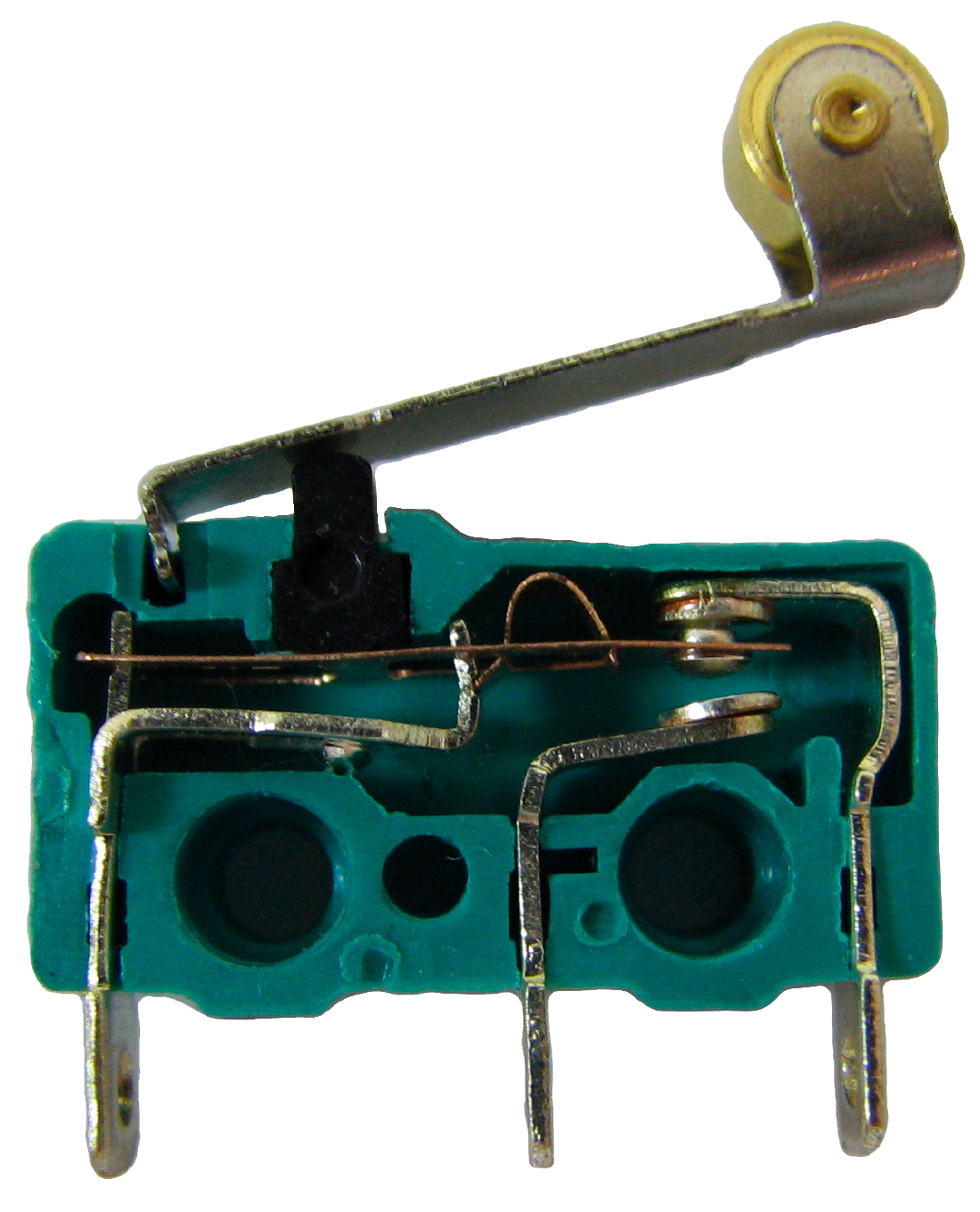
Although the structure of the micro switch of the water heater is small, it contains many delicate components, which work together to ensure the reliability and sensitivity of the switch. Usually a water heater micro switch consists of the following main parts:

- Push rod: The push rod is an important transmission element of the micro switch, when the user presses the push rod, the push rod transmits the force to the internal action reed, triggering the action of the switch. The design of the actuator allows the switch to be efficiently controlled with small displacements.
- Buttons: Buttons are the parts where the user interacts directly with the microswitches. Pressing the button activates the mechanism inside the switch, which pushes the action reed to operate.
- Lever: The lever is used to amplify and transmit the external force to the mechanism inside the micro switch. Through the lever, a small external force can trigger the action of the switch, making the switch operation more sensitive and labor-saving. The design of the lever can be diversified or customized to adapt to different application scenarios.
- Terminals: Terminals are the bridges that connect power lines, control lines, or other electrical conductors to the internal circuitry of a microswitch. Generally, the shape of the terminal is vertical, but the specific terminal shape can be designed according to the actual application requirements of the user.
These components work together to allow the water heater microswitch to accurately monitor and control the normal and stable operation of the equipment. The micro switch is like the guardian of the water heater, always paying attention to the operation status of the equipment, ensuring that every operation is smooth and error-free, and providing users with a perfect experience.
The main responsibilities of micro switches
The main responsibility of a water heater micro switch is to ensure that the equipment operates under safe and effective conditions. In particular, it plays a key role in the following aspects:
- Water Flow Detection: When the user turns on the hot water faucet, the micro switch detects the water flow and starts heating the water by activating the heating element through the closed contact. When the hot water faucet is turned off, the micro switch disconnects the contacts and stops the heating to prevent damage to the heating element in the absence of water.
- Temperature control: The micro switch works with a temperature sensor to control the opening and closing of the heating element. When the water temperature reaches the set value, the micro switch disconnects the power supply of the heating element and stops heating; When the water temperature drops below the set value, the micro switch closes again and starts the heating. The system uses the intelligent temperature detection of the micro switch to control the temperature within the appropriate range at all times.
- Safety protection: When the micro switch detects abnormal conditions (such as overheating, water leakage, etc.), it will immediately disconnect the circuit and stop heating to prevent the occurrence of dangerous situations. For example, when the water temperature in the tank is too high, the micro switch will automatically disconnect to prevent the tank from bursting and avoid scalding the user.
Common problems with water heater micro switches
A high-quality micro switch generally has a long service life and is not prone to problems, but in the process of long-term use, there may still be some common problems due to wear or aging. These problems may affect the normal operation of the water heater and even bring safety hazards. Here are a few common problems with water heater micro switches:
Worn contacts: Due to the frequent operation required by micro switches, contacts may wear out due to prolonged use. This can lead to poor contact contact, and the switch will not close or disconnect properly, affecting the heating function of the water heater.
Spring fatigue: The spring mechanism inside the microswitch may lose its elasticity after long-term use, resulting in a decrease in the sensitivity of the switch. Spring fatigue may cause the switch to fail to respond to external forces in a timely manner, affecting water flow detection and temperature control.
Broken housing: If the housing of the micro switch is damaged, dust, moisture, and other external factors may enter the inside of the switch and affect its normal operation. Especially in wet environments, a broken enclosure can cause rust or short circuits in internal components.
Circuit failure: The circuit connected to the micro switch is faulty, such as line aging, poor contact, etc., which will also affect the normal operation of the switch. These faults can cause the water heater to fail to start or heat unevenly.
Mechanical damage: The operating rod or button of the micro switch may be mechanically damaged under long-term use or external impact, such as deformation, fracture, etc., which will affect the user's operation.
Only by understanding the common problems of water heaters can we better maintain electrical appliances, so how should we check when we find abnormal problems in water heaters?
Check the steps
Regularly inspect the micro switch of the water heater, you can find the problem in time and avoid causing potential safety hazards, so how do we check the micro switch in our daily life? You can follow the steps below to try it out:
- Power off first: Before checking the micro switch, first make sure that the water heater is in a power-off state to prevent the occurrence of electric shock accidents.
- Disassemble the shell: According to the model and structure of the water heater, use appropriate tools to disassemble the shell of the water heater and find the location of the micro switch. Be careful not to damage other parts during the disassembly process and keep the removed screws.
- Check the appearance: Carefully check whether the shell of the micro switch is damaged, and whether the contacts are worn or ablated. Also check whether there is any mechanical damage to the lever or button and whether the spring elasticity is normal.
- Circuit test: Use a multimeter to test the circuit on-off of the micro switch. In the normal state, the button or lever of the micro switch is operated, and the multimeter should show the closed and open state of the switch. If the test result is abnormal, there may be a problem with the micro switch and it needs to be replaced in time.
- Water flow detection: restore the power supply and water source of the water heater, simulate the actual use, open the hot water faucet, observe whether the micro switch can start the heating element in time, close the hot water faucet, and check whether the heating element stops working in time.
- Temperature test: set the temperature of the water heater, and observe whether the micro switch can disconnect the circuit normally and stop heating when the water temperature reaches the set value; When the water temperature is lower than the set value, whether the micro switch can be closed again to start heating.
- Regular maintenance: If there is a problem with the micro switch, contact professional maintenance personnel for repair or replacement in time. At the same time, it is recommended to maintain and inspect the water heater regularly to ensure that the equipment is always in top condition.
Following the above steps to conduct a comprehensive inspection of the water heater can detect potential problems with the water heater in time, so as to ensure the safe and efficient operation of the equipment and avoid potential safety hazards. Mastering this knowledge is very important for the maintenance and use of electrical appliances in daily life, which helps us to better manage and protect the electrical equipment in our homes.
Performance and use of refiner microswitch
A guide to the types of micro switches
Related Article