Microwave Micro Switch vs Basic Switch: Key Differences Explained
Micro switches are compact, sensitive electrical components widely used in home appliances, automobiles, industrial automation, and other fields. Their reliability and longevity make them indispensable components in many precision control systems. However, different application scenarios require different design and performance requirements for micro switches.
For example, microwave micro switches, specifically designed for use in high-temperature, high-voltage environments like microwave ovens, differ significantly from basic micro switches. Understanding these differences not only helps you make informed product selection decisions but also directly impacts the performance and safety of your final product. Let's take a detailed look at the characteristics, differences, and application scenarios of these two types of switches to help you make the right choice!
What is a Basic Micro Switch?
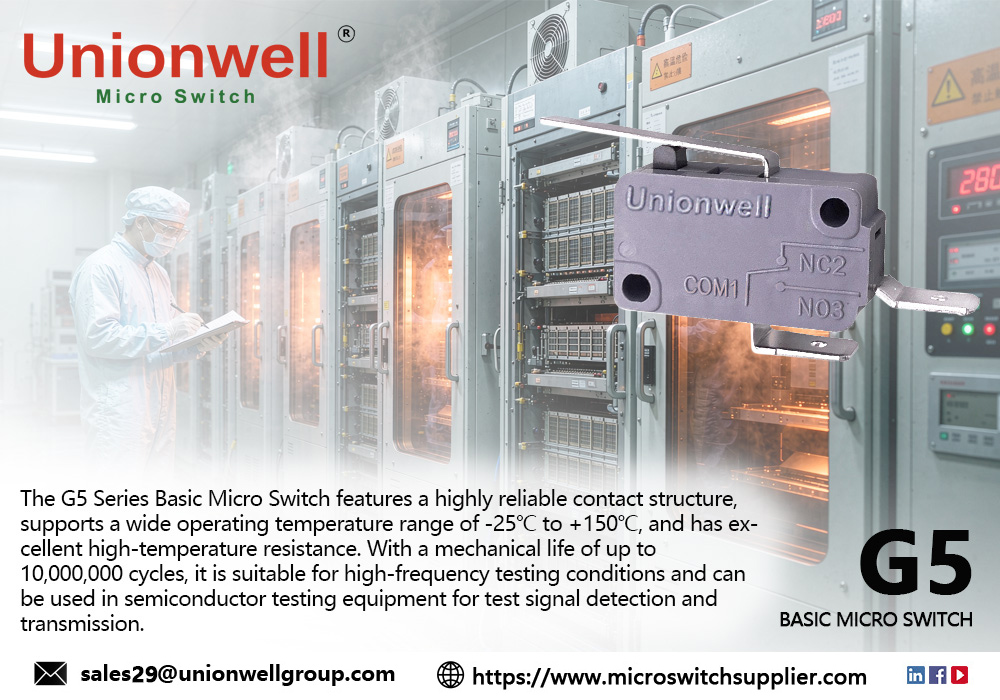
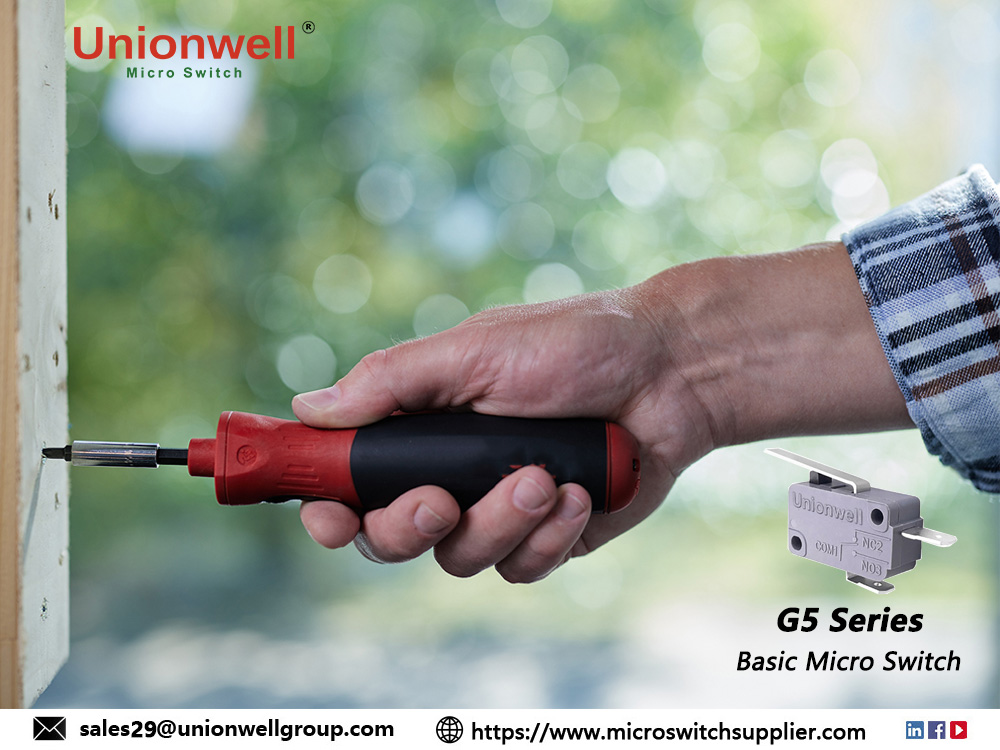
A basic micro switch is the most common type of general-purpose switch, widely used in consumer electronics, automobiles, home appliances, and industrial control. Its three main characteristics are long life, sensitive triggering, and a wide variety of models. As such, it is widely used in automotive door locks and window controls, home appliances, and industrial machinery testing, becoming an indispensable part of people's lives.
What is a Microwave Microswitch?
A microwave microswitch is a specialized type of microswitch designed for use in high-power environments like microwave ovens. Compared to conventional switches, its design is optimized for high temperatures, high voltages, and strong electromagnetic interference. This allows it to operate stably within the high-temperature environment of a microwave oven, preventing failure due to temperature increases. Furthermore, its specially treated contact material resists arc shock generated during microwave operation. Furthermore, its more rigorous design prevents malfunctions in complex electromagnetic environments.
So, where are these switches commonly used? Microwave microswitch applications are diverse, including:
- Microwave door control systems: They are generally used to ensure that circuits are de-energized when the oven door is open, thereby ensuring user safety;
- Heating circuit control: They precisely disconnect and connect the heating circuit to prevent overcurrent;
- Safety interlock protection: They provide multiple safety features within the system to prevent accidents caused by misoperation.
The Core Differences Between Microwave Micro Switches and Basic Micro Switches
To facilitate differentiation, we use the following table to understand:
|
Microwave Microswitch |
Basic Microswitch |
|
|
Working Environment Adaptability |
Withstands high temperatures and high pressures |
Mainly used at room temperature and pressure |
|
Temperature Rating |
-25℃~85℃ |
Room Temperature |
|
Contact Material |
Silver alloy |
gold-plated or silver-plated |
|
Casing Material |
Engineering plastic |
standard nylon |
|
Safety Requirements |
100% isolation of high-voltage circuits when the door is open |
Emphasis on lifespan and reliability |
|
Cost |
1.5 to 2 times that of a basic microswitch |
Highly cost-effective |
|
Mechanical and electrical lifespan |
shorter |
longer |
Why Microwave Micro Switches Are Essential for Microwave Ovens?
Microwave ovens operate in a unique environment characterized by high temperatures, high pressures, and electromagnetic interference. Under these conditions, conventional micro switches are prone to the following problems: excessive temperatures can lead to contact oxidation, welding, or failure; they cannot guarantee circuit interruption when the oven door is open, potentially causing electromagnetic leakage; and their service life is significantly reduced due to the unique environment.
Therefore, microwave micro switches are essential to ensure safe heating circuit interruption (preventing current overloads and arcing hazards), reliable door interlocking (preventing the oven from starting if the door is open), and long-term stable operation (maintaining stable performance for hundreds of thousands of cycles), ensuring user safety.
How to Choose the Right Microwave Micro Switch
For home appliance manufacturers and parts buyers, product selection is a critical step in ensuring product safety and quality. How to choose the right microwave switch? Factors to consider include the application scenario, safety certifications, lifespan and durability, and supplier capabilities.
First, we must clearly understand the temperature range, voltage, and current load the switch must withstand. A reliable micro switch must operate within a temperature range of -65°F (-54°C) to 350°F (177°C). Second, we must choose products with international certifications such as UL, CUL, CE, CQC, ENEC, and CB to protect against the serious consequences of counterfeit and substandard products. Of course, we must also confirm the electrical and mechanical lifespan to ensure it can withstand long-term, high-frequency use. Furthermore, we prefer manufacturers with R&D and customization capabilities, who can provide tailored solutions and excellent after-sales service tailored to customer needs.
Conclusion
A comparison reveals significant differences between microwave microswitches and basic microswitches in terms of operating environment adaptability, material structure, safety, cost, and lifespan. Conventional microswitches are suitable for general electrical control applications, while microwave switches are specifically designed for high-temperature and high-pressure environments, playing an irreplaceable role in household appliances such as microwave ovens.
For customers, understanding the differences between these two types of switches can help avoid errors during product development and selection, thereby improving overall safety and reliability. As a professional micro switch manufacturer, we recommend that customers select the most appropriate switch based on their specific application scenario and partner with reliable suppliers to ensure product performance and market competitiveness.
Top Reasons to Choose Custom Waterproof Micro Switches for Your Equipment
How To Select The Right Waterproof Micro Switch For Industrial Applications:Common Mistakes To Avoid
Related Article