Micro Switch Types and Applications You Need to Know
Micro switches are crucial components in modern electronic devices. Their short travel, high sensitivity, and stability make them indispensable in various industries, particularly in home appliances, industrial automation, automobiles, and consumer electronics. This article will explain the different types of micro switches and their applications in detail, helping you better understand their function and selection methods.
What is a Micro Switch?
Definition and Basic Working Principle of a Micro Switch
A micro switch is an electrical switch triggered by mechanical pressure. Its main characteristic is its short travel distance, typically requiring only a few millimeters of displacement to quickly switch the circuit. Due to its high sensitivity, a micro switch can respond to external physical pressure in a very short time, thus triggering the switching action.
The working principle of a micro switch is very simple. When the actuator of the switch is pressed, the internal contacts quickly contact or separate under the action of a spring, completing the circuit's connection or disconnection. Because the contact displacement distance is extremely short, the response speed is very fast, thus meeting the requirements of high-frequency, high-precision control.
The Structure of a Micro Switch
A micro switch typically consists of the following parts:
Contacts:The key part of the switch, responsible for turning the circuit on and off.
Actuator:The component that triggers the contact action under external force, usually including levers, rollers, plungers, etc.
Spring: Provides the reset force to the switch, allowing it to return to its original position after being pressed.
Housing: The external structure protecting the internal components, usually made of robust plastic or metal, ensuring the switch's stability and durability.
Common micro switches use metal contacts, which provide higher conductivity and a longer lifespan.
Micro Switch Performance Characteristics
Short Stroke and Fast Response
One of the most significant features of micro switches is their short stroke. Compared to other switches, micro switches require very little displacement to complete the switching action. Even a tiny external force can quickly trigger the switch, making them particularly effective in applications requiring rapid response.
Precise Trigger Feedback
Micro switches provide highly precise and consistent trigger feedback during operation. Due to the switch's internal design, the contact between the contacts is very stable, avoiding triggering errors caused by external environmental factors. This high-precision feedback ensures efficient system operation.
High Durability and Long Lifespan
Micro switches are designed for high durability, capable of withstanding high-frequency operation without easily failing. Many high-quality micro switches can withstand millions of operations without affecting their performance. This characteristic makes them especially favored in industrial environments.
Common Micro Switch Types
Basic Micro Switch
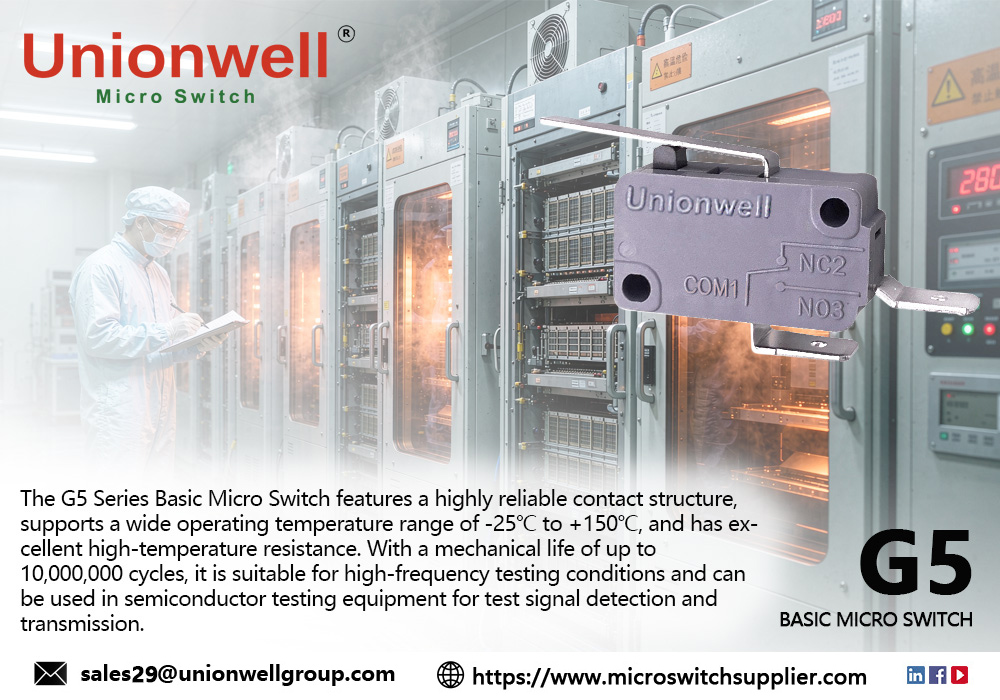
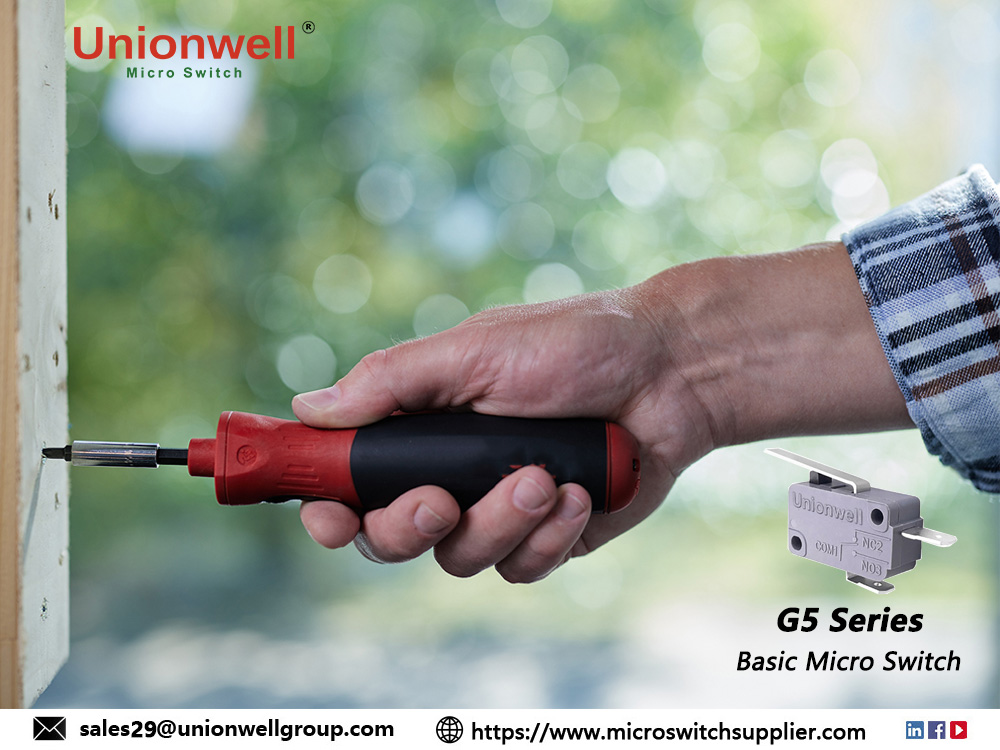
Basic micro switches typically have a simple structure and tiny contact gap, suitable for low-requirement circuit switching control. These switches are widely used in home appliances, industrial automation equipment, and other fields due to their low cost and high reliability, performing simple switching control functions.
Miniature Micro Switch
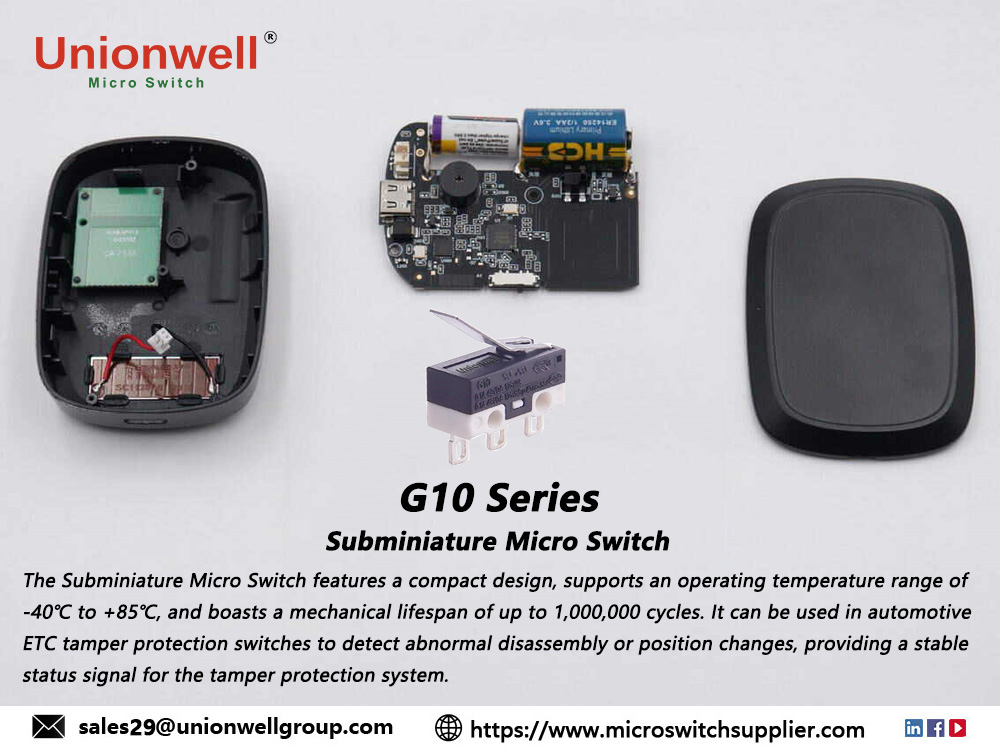
Miniature micro switches are often used in space-constrained environments due to their small size, compactness, and light weight. They are particularly suitable for mobile devices, consumer electronics, and the automotive industry. Although smaller, their performance is close to that of standard micro switches, providing high sensitivity and precise control.
Waterproof Micro Switch
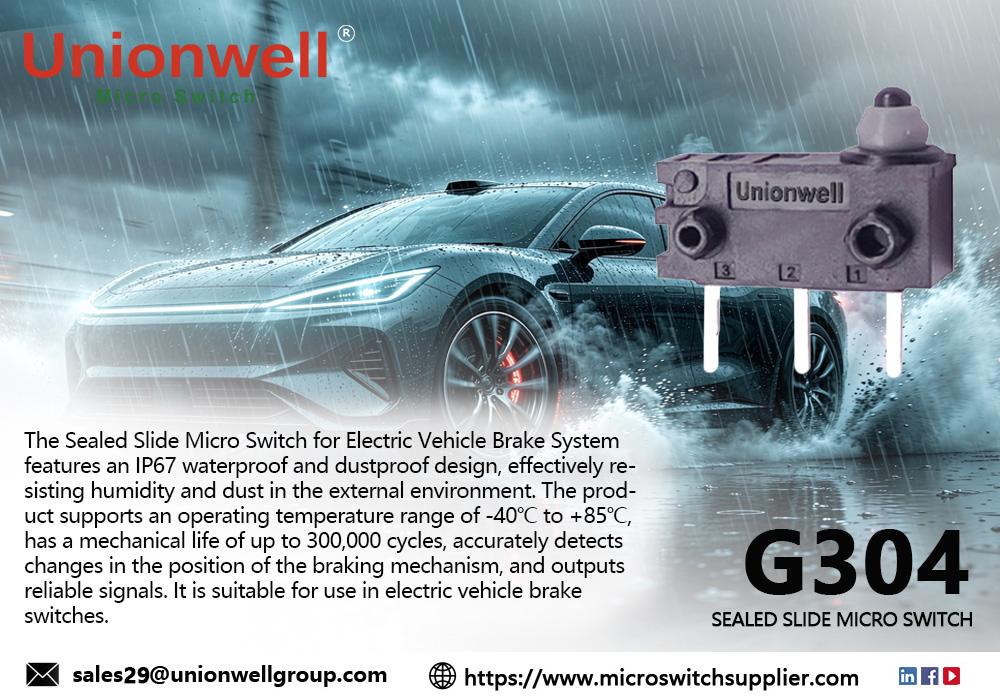
Waterproof micro switches feature a sealed design, providing waterproof and dust-proof capabilities, and can operate stably in humid or harsh environments. Common protection ratings include IP65 and IP67. This waterproof design makes them suitable for outdoor equipment, automobiles, and power tools where resistance to moisture and dust is required.
Push-button Micro Switch
These micro switches are designed for high-temperature environments, possessing high-temperature resistance and durability, and can operate stably at high temperatures. They are commonly used in home appliances, electronic devices, and automotive electronics. Its design ensures it can withstand continuous high-temperature operation under low loads, and it features both self-locking and non-locking modes, broadening its application range.
Dual-Circuit Micro Switch (DPDT Micro Switch)
A dual-circuit micro switch has two independent circuits with a synchronization time of <15ms, allowing it to maintain the switching state without continuous drive. Common applications include automotive seat adjustment, power windows, and automatic control systems, providing a variety of functions and more control options.
Applications of Micro Switches
Home Appliances
Micro switches are widely used in home appliances such as microwave ovens, rice cookers, and refrigerators. They are used to control power, select modes, and perform other basic functions, ensuring the efficient and safe operation of these appliances.
For example, in microwave ovens, they are primarily used for door detection, monitoring the current door status to prevent users from starting programs with the door open, thus protecting user safety.
Industrial Automation
In industrial automation equipment, micro switches are mainly used for limit control, position detection, and switch triggering. They provide high-precision, high-frequency control, adapting to complex industrial environments.
For instance, in some devices, they primarily function for position detection. When an instrument reaches a specific position and successfully contacts the trigger, the micro switch activates and sends a signal to the next component.
Automotive Industry
Micro switches have wide applications in automobiles, such as seat adjustment, door locks, air conditioning control, and fuel control systems. They play a crucial role in automotive electronic systems, ensuring driving safety and comfort.
For example, in a car window system, they primarily detect whether foreign objects are affecting the window's raising/lowering process. When an object such as a finger is detected interfering with normal operation, a micro switch immediately sends a signal and stops the window from continuing to operate, preventing a safety accident.
How to Choose the Right Micro Switch?
Consider the Operating Environment and Usage Needs
When selecting a micro switch, first consider the operating environment (such as temperature and humidity) and specific application requirements. For example, some devices require waterproof and high-temperature resistant micro switches, while others require very low actuation force and precise feedback.
Choose the Appropriate Actuation Force and Travel
Different applications have different requirements for actuation force and travel. For example, automotive seat adjustment systems may require higher actuation force and longer travel, while consumer electronics typically require lighter actuation force and shorter travel.
Choose a Micro Switch with the Appropriate Protection Rating
Select the appropriate protection rating based on the application scenario. For example, an IP67 waterproof and dust-proof rating is suitable for devices used in harsh environments. Ensure the switch can operate stably under specific environmental conditions.
FAQ
Q1: How does a micro switch ensure high sensitivity?
A1: Micro switches are designed with a very short trigger stroke, allowing them to be quickly triggered even by slight external force, ensuring precise control.
Q2: How many cycles can a micro switch withstand?
A2: Depending on the model, the mechanical life of a micro switch can range from hundreds of thousands to tens of millions of cycles.
Q3: How can I determine if a micro switch is damaged?
A3: If it malfunctions or provides inconsistent feedback, use a multimeter to check if it can still make normal contact and trigger the circuit.
Q4: Is a micro switch suitable for high-temperature environments?
A4: There are models specifically designed for high-temperature environments, capable of withstanding higher temperatures, suitable for special industry needs.
Q5: Does a micro switch require vibration-resistant design?
A5: Yes, some special environments experience strong vibrations, requiring switches to have a robust vibration-resistant structure to prevent malfunctions.
Conclusion
Micro switches come in many varieties, and different types are widely used across various industries. Choosing the right micro switch designed by the micro switch manufacturer to meet specific needs can improve the reliability, accuracy, and lifespan of your equipment.
The selection of the appropriate micro switch depends on the specific application scenario, working environment, and functional requirements. By understanding the characteristics and advantages of different types of micro switches, you can make more informed decisions and ensure the high efficiency and stability of your equipment.
Miniature Micro Switches in Vacuum Cleaners: Features and Benefits You Should Know
Miniature Micro Switch Applications in Electric Toothbrushes
Related Article