How to Test an Air Pressure Switch in 5 Simple Steps
In gas water heaters, wall-hung boilers, and other similar equipment, the air pressure switch is a crucial control component ensuring safe operation. While primarily a safety detection component, many problems, such as ignition failure, frequent shutdowns, or abnormal fan alarms, may be related to it.
Accurately determining if the air pressure switch is faulty is essential for equipment maintenance and troubleshooting. For repair personnel and equipment purchasers, quickly identifying a damaged air pressure switch requires certain skills. This article will guide you through five simple steps to quickly understand the testing methods, common fault symptoms, and diagnostic logic for air pressure switches.
What Does an Air Pressure Switch Do?
How Air Pressure Switch Monitors Airflow
The air pressure switch works by monitoring the internal air pressure of the equipment in real time, thereby confirming whether the combustion and exhaust systems are functioning correctly. When the equipment starts up, the internal fan begins to operate, driving airflow and creating stable pressure within the air duct. At this time, the air pressure switch senses changes in air pressure to determine if the system meets the startup conditions.
When the air pressure reaches the set value, the internal contacts of the air pressure switch activate. Only after the control system receives the feedback signal is the ignition process allowed to begin. If the air pressure is insufficient, the fan malfunctions, or the exhaust is blocked, the air pressure switch will not conduct, thus preventing the combustion system from operating.
In today's market, high-quality air pressure switches support positive pressure sensing, negative pressure sensing, and differential pressure sensing. Positive pressure sensing primarily detects the fan output pressure; negative pressure sensing primarily detects changes in intake pressure; and differential pressure sensing can simultaneously compare pressure changes between two zones, providing higher detection accuracy. This capability significantly improves the stability and safety of equipment operation.

Why Air Pressure Switch Is Critical in Gas Appliances
In gas appliances, air pressure switches are widely used in gas water heaters, wall-hung boilers, HVAC systems, etc. Their core purpose is to prevent continued combustion under abnormal exhaust conditions. Without them, the system might continue ignition even if the fan is damaged, exhaust gas might backflow if the exhaust is blocked, and incomplete combustion could lead to the accumulation of dangerous gases, creating significant safety hazards.
Therefore, the air pressure switch, as a "safety judgment node" in gas equipment, will directly stop ignition or force shutdown after detecting abnormal air pressure. This is why the equipment will be completely unable to start once the air pressure switch malfunctions.
Common Symptoms of a Faulty Air Pressure Switch
Water Heater Fails to Ignite
Ignition failure is one of the most common symptoms of an air pressure switch malfunction. Normally, the system allows ignition after confirming the fan's air pressure is normal. If the air pressure switch fails to provide a proper feedback signal, the control system will interpret the exhaust conditions as abnormal, thus prohibiting ignition.
Many maintenance personnel find that during actual testing, the fan is running normally and the gas supply is normal, but the system still cannot enter the ignition stage. This is very likely directly related to the air pressure switch.
Frequent System Shutdowns
If some equipment frequently shuts down after a few minutes of normal startup, it usually means that the air pressure switch signal is unstable or that it is misinterpreting the pressure detection. This is likely due to abnormal internal contacts, especially after the equipment has heated up.
Error Codes Related to Air Pressure Switch
When the air pressure switch malfunctions, the system may display fault codes (such as air pressure alarm, abnormal exhaust, ignition failure, safety interlock malfunction, etc.). Fault codes for different brands of equipment are not entirely consistent, but most are related to airflow error or pressure error. Therefore, when troubleshooting, a comprehensive judgment can be made based on the equipment's error messages.
Preparation Before Testing an Air Pressure Switch
Turn Off Power Before Air Pressure Switch Inspection
Before testing the air pressure switch, it is recommended that the inspector first perform the following steps:
- Disconnect the equipment power supply and turn off the gas supply;
- Wait for the internal temperature of the equipment to drop;
- Confirm that the fan has stopped running.
This is because some equipment may have residual voltage and high-temperature areas. Directly disassembling the air pressure switch may lead to electric shock, burns, and gas leaks. Therefore, proper safe operation is crucial.
Tools Needed for Air Pressure Switch Testing
When testing an air pressure switch, instruments such as a multimeter, hoses, pressure gauges, screwdrivers, and small air pressure simulation devices are typically needed to check the continuity, pressure changes, connect test ports, and simulate air pressure changes.
How to Test an Air Pressure Switch in 5 Simple Steps
Step 1 — Inspect the Air Pressure Switch Tubing
First, check the air pressure switch's connecting hose for signs of aging, cracks, leaks, blockages, or detachment. A leaking hose can prevent the air pressure switch from functioning properly, even if it's working correctly, due to insufficient pressure. Dust, moisture, or condensation entering the hose can also cause malfunctions; check for such foreign objects inside.
Step 2 — Check the Wiring Connections of the Air Pressure Switch
The second step is to check the wiring. Focus on checking for loose terminals, oxidation, burning, and poor contact at the plugs. This check is crucial and should not be overlooked.
Step 3 — Test Air Pressure Switch Continuity with a Multimeter
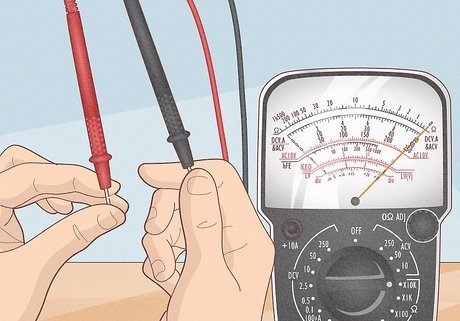
Next, use a multimeter to test the continuity. Normally, the air pressure switch contacts are open when the set pressure is not reached; they only close when the set pressure is reached. Therefore, during testing, the multimeter should be set to continuity mode and connected to both ends of the air pressure switch to observe changes in continuity. If it fails to conduct after a pressure change (or remains continuous), the air pressure switch is damaged.
Step 4 — Apply Air Pressure to Verify Switching Action
This stage simulates a real wind pressure environment. After inputting external pressure to the air pressure switch, observe whether the contacts activate, whether the activation is sensitive, and whether the rated operating pressure is reached. If there is a significant delay in activation, or if abnormally high pressure is required for activation, it indicates performance degradation.
Step 5 — Check Whether the Air Pressure Switch Responds Consistently
The final step is to test its long-term stability. Some air pressure switches may function normally during the initial test, but after repeated operation, they may exhibit significant delays in activation, false triggering, unstable feedback, and drifting of the activation point. Therefore, it is recommended to repeat the test multiple times to prevent internal structural aging.
Conclusion
As a home appliance micro switch, the air pressure switch is a critical safety component in gas water heaters and HVAC systems. Any malfunction can directly affect equipment startup, safety interlocks, and long-term operational stability. This article introduces a 5-step testing method that allows users to quickly determine if their air pressure switch is faulty and promptly troubleshoot related issues. Meanwhile, for manufacturers and equipment makers, choosing a high-reliability air pressure switch from a professional micro switch manufacturer will help reduce after-sales failure rates and improve overall system safety.
Car Seat Adjustment Switch Buying Guide: Features, Types, and Applications
Magnetic Keyboard Switch Trends in Gaming Keyboard Design
Related Article