How To Select The Right Waterproof Micro Switch For Industrial Applications:Common Mistakes To Avoid
Waterproof micro switches play a vital role in industrial applications. Whether used in automation equipment operating in harsh environments or in environments subject to high humidity, extreme temperatures, or chemical corrosion, the right waterproof micro switch ensures stable operation. Therefore, with the current acceleration of industrialization, choosing the right waterproof micro switch is particularly important. This article will address common misconceptions when selecting waterproof micro switches and help you choose the most suitable waterproof micro switch to ensure stability and efficiency in your industrial applications.
Common Mistakes When Selecting a Waterproof Micro Switch
Not Considering Environmental Conditions
In industrial applications, the impact of environmental conditions cannot be ignored. When selecting a waterproof micro switch, many companies focus solely on the switch's functionality and price, overlooking the specific requirements of the operating environment. Factors such as humidity, temperature fluctuations, and chemical corrosion can directly affect the switch's performance and lifespan. Therefore, when selecting a waterproof micro switch, it is crucial to understand and evaluate the application's environmental conditions.
First, temperature and humidity. High humidity or extreme temperatures can severely impact the seal and electrical performance of a switch, leading to failure. Selecting a waterproof micro switch with excellent waterproof and high-temperature resistance can effectively avoid these issues.
Secondly, certain chemicals can also significantly affect switches. Certain industrial sites may be exposed to toxic or corrosive chemicals. The housing and sealing materials of a waterproof micro switch must be resistant to these chemicals, otherwise the switch may be damaged by corrosion.
Choosing an Inappropriate Waterproof Rating
The IP rating is a standard for measuring the protective capabilities of waterproof micro switches. When choosing waterproof micro switches, many people often overlook the IP rating and choose products that are inappropriate for the operating environment, resulting in the switch failing to meet required waterproof performance. Among the various waterproof ratings, IP40, IP65, and IP67 are more common in workplace scenarios. The numbers following these ratings represent the dustproof level (the first digit) and the waterproof level (the second digit), respectively. There are significant differences between these ratings, so let's take a closer look.
Differences between IP40, IP65, and IP67:
About IP40:
The number 4 indicates that the device is protected against the ingress of solid objects larger than 1 mm in diameter. A rating of 0 indicates that the device is barely waterproof and may malfunction if exposed to water or liquids. This type of device is suitable for environments with minimal dust and is not waterproof, making it unsuitable for use in humid or wet environments.
About IP65:
The number 6 indicates that the device is completely protected against the ingress of dust and will not affect its normal operation. A rating of 5 indicates that the device can withstand water jets from all directions without penetrating the device interior, making it suitable for outdoor use in mist and splash environments. This type of device is suitable for use in dirty environments and can withstand light water splashes. It's particularly useful in outdoor machinery and some factory equipment, but it's not suitable for full immersion in water.
About IP67:
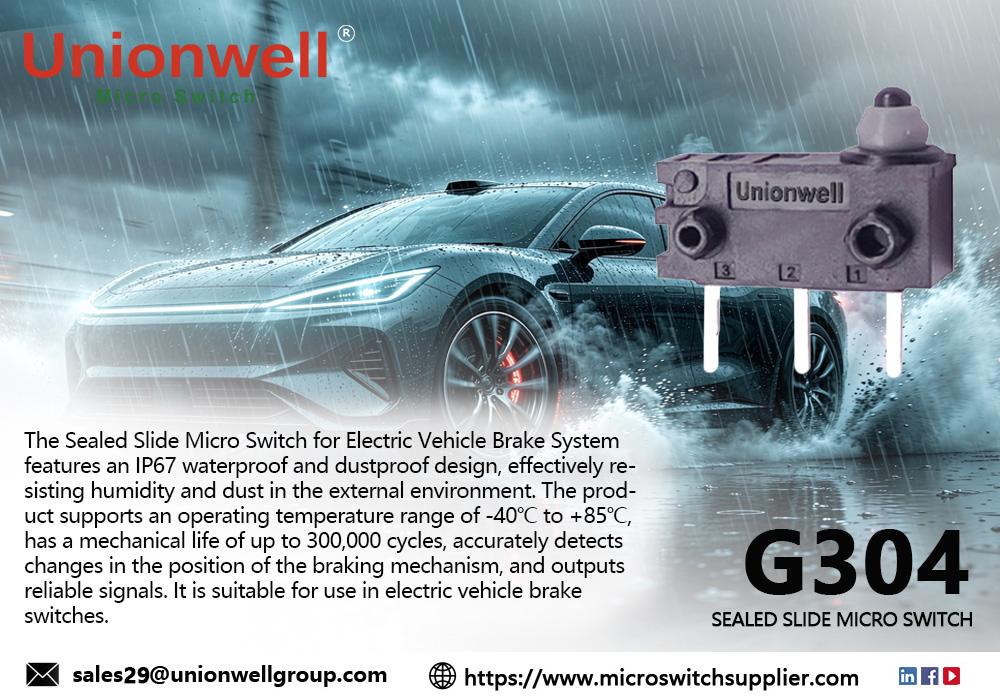
The number 6 also indicates complete dustproofing, ensuring long-term stable operation in environments like dust or sandstorms. The number 7 indicates that this type of device can withstand short-term immersion in water, typically up to 1 meter, for up to 30 minutes without water entering the device. This type of device can be used in humid, rainy, and even short-term submersion conditions.
This helps us accurately identify the specific sealed micro switch required for our device. Different industrial applications have varying requirements for waterproofing. Choosing the appropriate IP rating ensures reliable, long-term operation in humid environments. For example, the food processing industry may require a higher waterproof rating, while some light industrial environments may require IP65 or IP67. Choosing the right waterproof rating effectively prevents switch failure in unsuitable environments.
Ignoring the switch's rated voltage and current
The rated voltage and current of a waterproof microswitch are critical parameters for stable operation. Failure to select a switch with a voltage or current that does not meet the device's requirements will result in switch overload or damage.
How to choose the appropriate rated voltage and current:
First, select a switch appropriate for the device's operating voltage range. Second, ensure the switch's rated current does not exceed the device's maximum load current. Otherwise, overload may cause the switch's contacts to burn out, leading to safety hazards.
Common electrical mistakes:
Many companies overlook the electrical characteristics of switches during the procurement process, resulting in frequent switch failures or unstable equipment operation. Therefore, accurately understanding the device's electrical parameters is a prerequisite for selecting the appropriate switch.
How to Correctly Select a Waterproof Microswitch
Determine the Specific Requirements of the Application
When selecting a waterproof microswitch, it's important to first clarify the specific requirements of the application. Different industrial sectors have varying switch requirements, so understanding and analyzing the specifics of each industry is crucial.
In the food processing industry, which is relatively familiar to most people, waterproof micro switches must not only be waterproof but also resistant to chemicals like cleaning agents and oils. Furthermore, they must have a waterproof rating of IP67 or higher.
In the chemical industry, where production environments may involve corrosive substances like strong acids and alkalis, waterproof microswitch materials must be highly corrosion-resistant and well-sealed to prevent chemicals from entering the switch.
In most manufacturing industries, where equipment frequently switches on and off, selecting micro switches that are durable, dustproof, and waterproof is crucial.
Consider Materials and Corrosion Resistance
For waterproof micro switches used in harsh environments, material selection is crucial. The housing and sealing materials of waterproof micro switches must possess excellent corrosion resistance to ensure long-term, stable operation in industrial applications. Commonly used materials for waterproof micro switches include stainless steel, aluminum alloy, and special plastics. Different materials have varying corrosion resistance, and choosing the right material can extend the lifespan of the switch. However, in specialized environments (such as chemical and marine environments), the switch housing material must also possess strong corrosion resistance to effectively prevent intrusion and ensure proper operation.
Avoid the Risks of Choosing Unreliable Suppliers
Choose a Reputable Manufacturer
Selecting the right waterproof micro switch involves more than just selecting the right technology and specifications; choosing a reputable supplier is equally crucial. A reliable supplier can provide high-quality products and comprehensive after-sales service.
So, how can we choose the right manufacturer? First, we can assess the supplier's credibility and product quality by reviewing their qualifications, industry certifications, and user reviews.
In addition, supplier certifications and industry standards are also crucial considerations. Choosing a supplier certified to international standards (such as CE, ISO, and RoHS) ensures product quality and safety, reducing risks in future use.
Prioritizing product testing and quality certification
Waterproof micro switches undergo rigorous quality testing before shipment to ensure their waterproof and electrical performance meet industry standards. This includes, but is not limited to:
Factory testing: This includes IP rating testing, high-temperature resistance testing, and corrosion resistance testing to ensure stable operation in diverse environments.
International standard certification: This ensures compliance with international standards such as CE, RoHS, IP40, IP65, and IP67, ensuring compliance with global market demands.
How to Extend the Lifespan of Waterproof Micro Switches
Regular Maintenance and Inspection
While waterproof micro switches offer high durability, regular maintenance and inspection can effectively extend their lifespan and prevent malfunctions caused by dust accumulation, aging, or damage. First, regularly check the switch's seal to ensure it's intact and free of water or dust. Second, remember to check the electrical connections to ensure good contact and prevent unstable current flow that could lead to switch failure.
How to Keep the Switch in Optimal Working Condition
Maintaining IP67 micro switches in optimal working condition requires protection from excessive friction and extreme environmental conditions. Regular cleaning of the switch to prevent foreign matter from entering the interior is an effective measure to ensure long-term stable operation.
Conclusion
The right waterproof microswitch is crucial for ensuring long-term, stable operation of equipment in industrial applications. When selecting a switch, avoid common mistakes like ignoring environmental conditions, choosing an inappropriate waterproof rating, and neglecting electrical parameters. By evaluating your application and selecting the most suitable waterproof microswitch for your specific location, you can achieve both efficiency and stability.
All in all,We have a clear understanding of waterproof microswitches. If you're looking for highly reliable, high-grade waterproof microswitches that meet international certification standards, Unionwell is your ideal partner. Our switches offer IP40, IP65/IP67 waterproof and dustproof ratings, and are certified by UL, CE, RoHS, and IATF 16949. Our products also offer stable, safe, and durable performance, ensuring quality and reducing costs. Contact the micro switch manufacturers for professional selection advice and cost-effective product solutions to make your equipment safer and more reliable!
Microwave Micro Switch vs Basic Switch: Key Differences Explained
Common Failures Of Automotive Micro Switches And How To Prevent Them
Related Article