How Does an Automotive Electronic Lock Switch Ensure Safety During Car Charging?
As the global penetration rate of new energy vehicles continues to increase, charging facilities such as public charging piles and home charging equipment are rapidly becoming widespread, and users' concerns about charging safety are also rapidly increasing. During the charging process, if the charging gun becomes loose, accidentally disconnected, fails to lock, or misjudges its status, it will not only cause charging interruption but may also lead to interface erosion, arcing risks, or even equipment damage, directly affecting the safety of the vehicle and the user.
Against this backdrop, the automotive electronic lock switch has become a core component of the charging gun locking system. It ensures a stable and reliable charging process through locking detection, status feedback, unlocking confirmation, and safety interlocking mechanisms. This article will delve into how the automotive electronic lock switch plays a crucial safety role during vehicle charging, helping readers better understand its working logic.
What Is an Automotive Electronic Lock Switch?
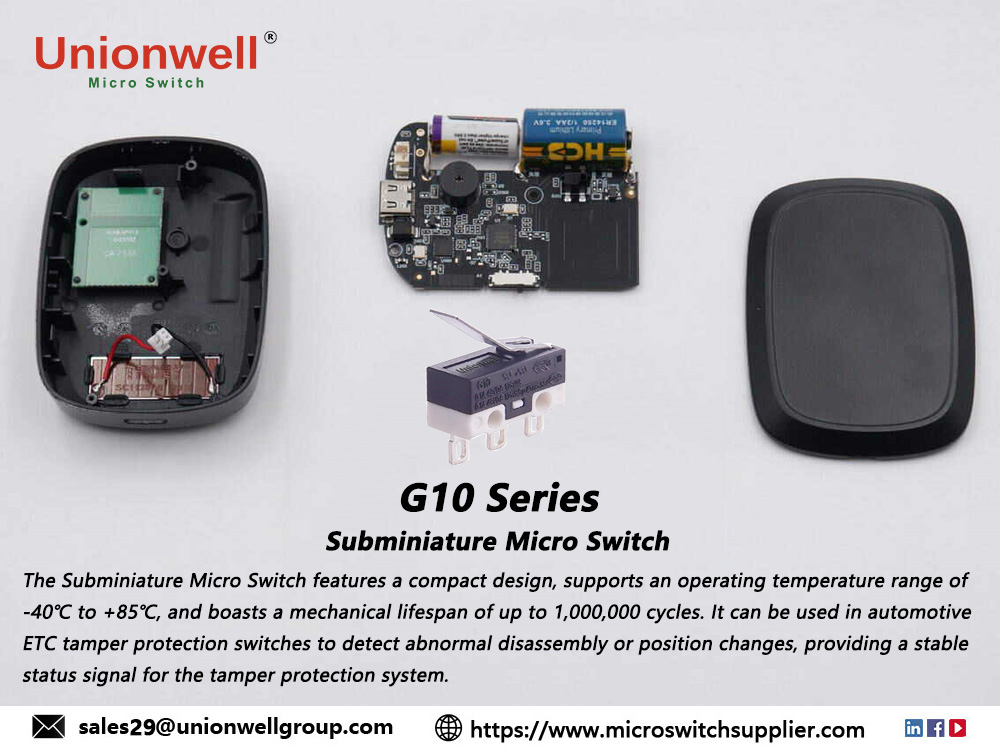
An automotive electronic lock switch is essentially a high-reliability micro switch used in the charging locking system of new energy vehicles. It is mainly responsible for detecting changes in the lock tongue position and converting mechanical actions into electrical signals that are fed back to the control system. It is typically installed inside the electronic lock module, working together with the lock tongue, motor, gear set, and control PCB.
Core Structure of Automotive Electronic Lock Switch
This switch typically consists of the following core components:
- Contact System:Responsible for circuit connection and disconnection, and determines signal stability.
- Spring Mechanism:Enables rapid feedback and improves response speed.
- Actuator:Receives movement signals from the latch or mechanical structure.
- Terminal System:Used to connect to the PCB main control board.
- Housing Structure:Provides mechanical protection and environmental adaptability.
Compared to basic micro switches, automotive electronic lock switches have higher requirements for lifespan, environmental adaptability, and operational accuracy because they need to withstand long-term outdoor use, high-frequency insertion and removal, and complex temperature and humidity environments.
How the Automotive Electronic Lock Switch Works
When the user inserts the charging gun into the vehicle's charging port, the system first confirms the locking status is normal before starting power supply, and the internal electronic lock motor begins to work. The motor pushes the bolt forward via a gear set. At this time, the automotive electronic lock switch begins to function: When the bolt enters the locked position, it triggers the automotive electronic lock switch to provide a locking signal, and the internal contacts of the switch switch change. At this point, the system confirms a stable connection, the main control system allows the high-voltage relay to close, and the charging gun officially begins charging.
During charging, the automotive electronic lock switch continuously monitors the status. If external force pulls on the charging gun, the bolt becomes abnormally loose, or the mechanical structure shifts, the system will immediately issue an alarm and actively stop charging.
When charging is complete, the system first stops current output, the motor begins to run in reverse, and the bolt returns to its original position. The automotive electronic lock switch provides an unlocking signal, and only then can the user safely remove the charging gun. This completes the closed-loop control process.
In summary, modern charging guns have increasingly higher requirements for response efficiency. A high-quality automotive electronic lock switch needs to possess characteristics such as sensitive motor forward/reverse switching, low response latency, accurate signal feedback, and stable repetitive actions to effectively improve locking efficiency and avoid jamming issues.
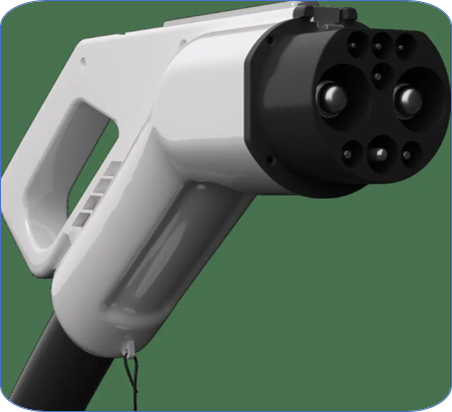
Why Charging Systems Need an Automotive Electronic Lock Switch for Safety
Prevent Accidental Unplugging During Charging
During charging, if a user accidentally pulls out the charging gun, or if external force causes the charging head to loosen, it can pose a serious risk. An automotive electronic lock switch, in conjunction with an electronic lock mechanism, ensures that the charging gun cannot be forcibly pulled out during charging and that unlocking is only permitted after the system is powered off, thereby reducing the risk of accidental unplugging.
Avoid Loose Connection Risks
If the charging gun is not fully inserted, it may lead to poor contact. This can cause safety hazards such as increased charging port temperature, interface burning, and unstable current. An automotive electronic lock switch can identify the locking status in advance, preventing the system from starting charging when the connection is unstable.
Problems Caused by Low-Quality Automotive Electronic Lock Switch
Low-quality switches often cause serious problems such as false locking, charging interruptions, insufficient lifespan, and signal drift. After prolonged use, they may also experience contact wear, jamming, and unlocking failures, increasing after-sales costs, potentially impacting user safety and brand reputation, and even posing serious safety hazards.
Key Technical Features of Automotive Electronic Lock Switch
IP67 Protection Design
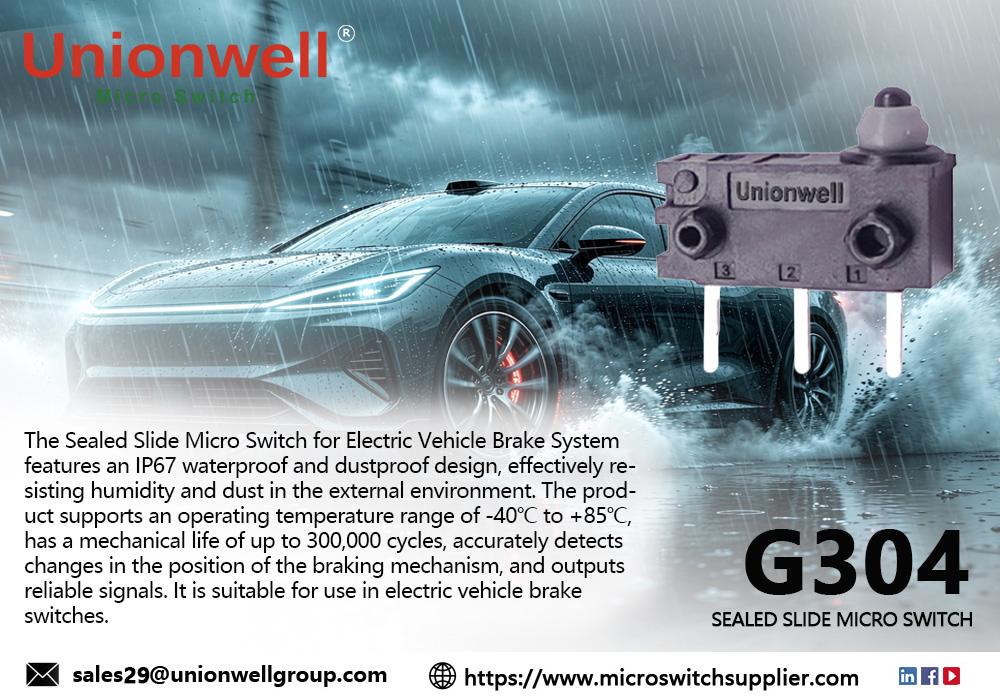
Charging guns are exposed to outdoor environments for extended periods. This necessitates handling rain, dust, mud, and humidity. Therefore, a sealed design (achieving an IP67 rating) significantly enhances its environmental adaptability, enabling this type of sealed micro switch to withstand more challenging conditions.
High Mechanical Life
Public charging equipment requires frequent plugging and unplugging. A high-lifespan design reduces maintenance costs and extends the equipment's lifespan, indirectly improving product reputation and user experience.
Stable Signal Output
Stable signal output is the core foundation of a safety system. High-quality products ensure consistent feedback even after long-term use, guaranteeing reliable locking, accurate locking/unlocking positioning, and clear gear selection.
How to Choose a Reliable Automotive Electronic Lock Switch Supplier
So how do we better choose the right micro switch supplier? We can make a better selection based on the advantages of the following high-quality suppliers:
Automotive Manufacturing Experience
We can prioritize suppliers with long-term experience in the automotive industry, as they better understand automotive-grade application requirements and can better manufacture high-quality automotive-grade micro switches.
Customization Capability
Different manufacturers have different customer structures and needs. Excellent suppliers need to support customization of different wire lengths, wire specifications, resistor combinations, or other structural customizations to help customers quickly match projects and achieve their goals better and faster.
Quality Certification
High-quality micro switch suppliers should have a complete certification system, including but not limited to IATF16949 automotive quality management system certification, ISO9001 quality management system certification, and ISO50001 energy management system certification. They should also have multiple market safety access certifications such as UL, cUL, CQC, ENEC, and CE to better demonstrate the supplier's strong quality capabilities.
Global Supply Stability
In recent years, the global new energy vehicle market has grown rapidly. Suppliers need to possess highly automated production capabilities, stable delivery capabilities, and global supply capabilities to help customers achieve better long-term development.

Conclusion
With the continuous growth in charging demand for new energy vehicles, charging safety has long been a core concern in the industry. Automotive electronic lock switches provide crucial protection for the entire charging process through lock detection, accidental disconnection protection, safety interlocks, and stable feedback mechanisms.
From public charging stations to home charging equipment, and high-power fast charging systems, these switches play an irreplaceable role. For charging equipment manufacturers, only by choosing high-quality micro switch suppliers can they better improve product safety, enhance user experience, and increase market competitiveness.
Sealed Miniature Micro Switch Applications in Modern Floor Scrubbers
The Trend of Miniature Micro Switch in the Juicer Industry
Related Article