Common Failures Of Automotive Micro Switches And How To Prevent Them
Automotive micro switches have become an indispensable core component in modern automotive electronic systems. They are widely used in key locations such as door lock control, brake light detection, seat adjustment, trunk opening, and gear lever position detection, fulfilling the crucial tasks of signal transmission and status detection.
However, due to multiple factors in the automotive operating environment, such as high temperature, humidity, vibration, and chemical corrosion, micro switches may experience various forms of failure over long-term operation. If these failures are not promptly detected and addressed, they can not only affect vehicle functionality but also pose safety risks. This article will provide an in-depth analysis of common automotive micro switch failure types, their main causes, and targeted preventative measures.
What Is An Automotive Micro Switch?
An automotive micro switch is a mechanical electrical switch with a very small stroke and fast actuation. Its core feature is that a slight mechanical displacement triggers internal contacts, connecting or disconnecting a circuit. This structure not only ensures a fast response time but also offers long mechanical and electrical lifespans.
Based on their structural type, automotive micro switches are primarily categorized as follows:
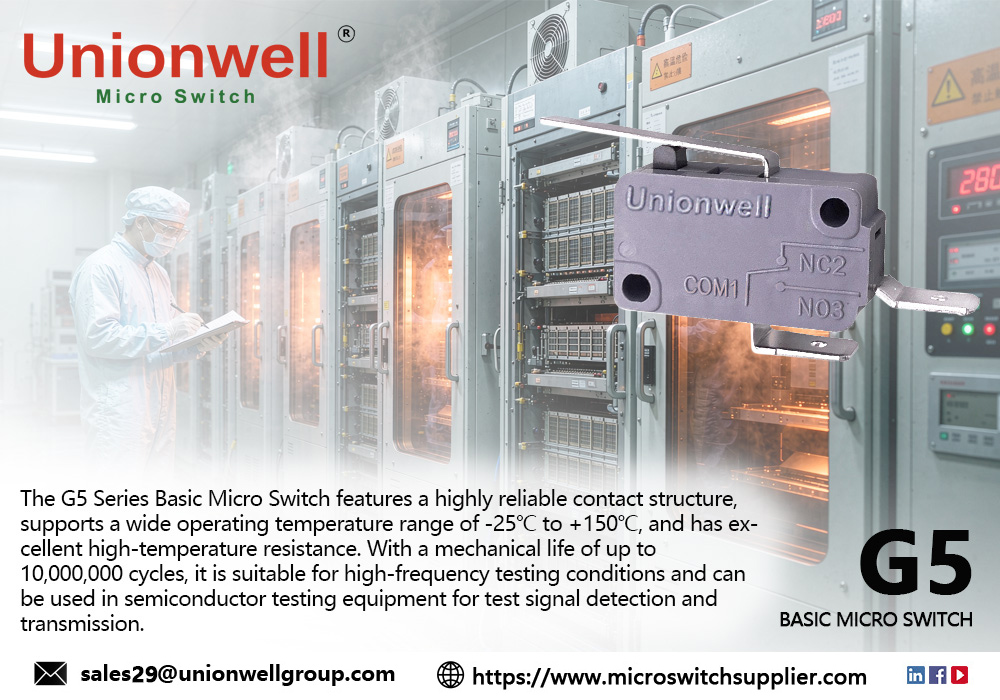
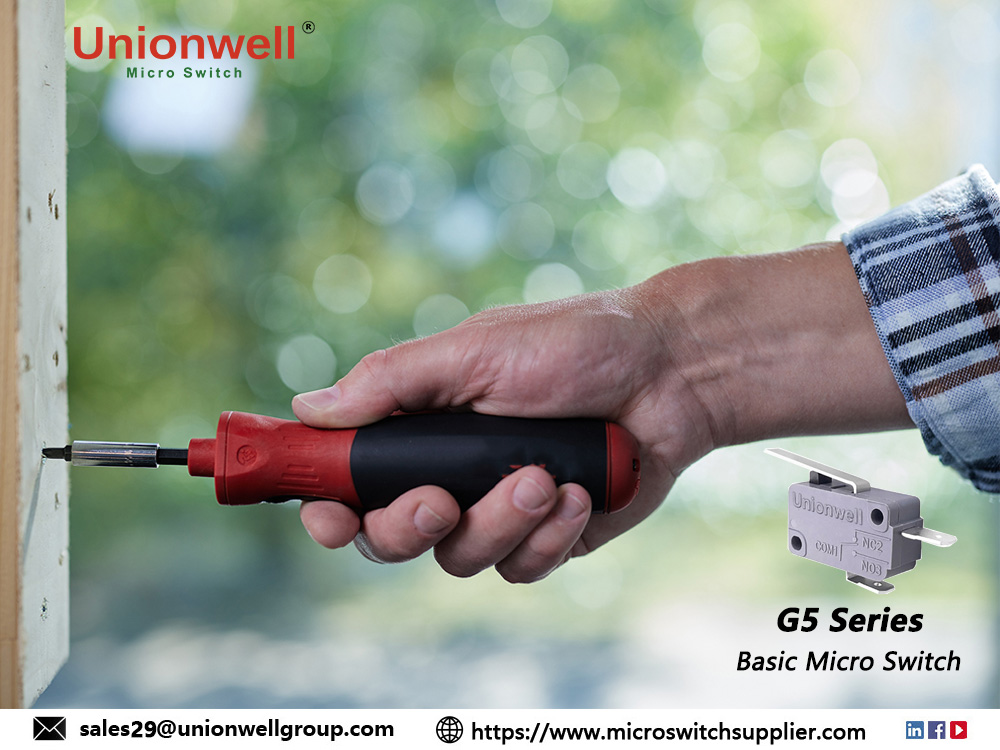
- Basic Type: Suitable for low-intensity signal detection within the vehicle, such as seat position feedback.
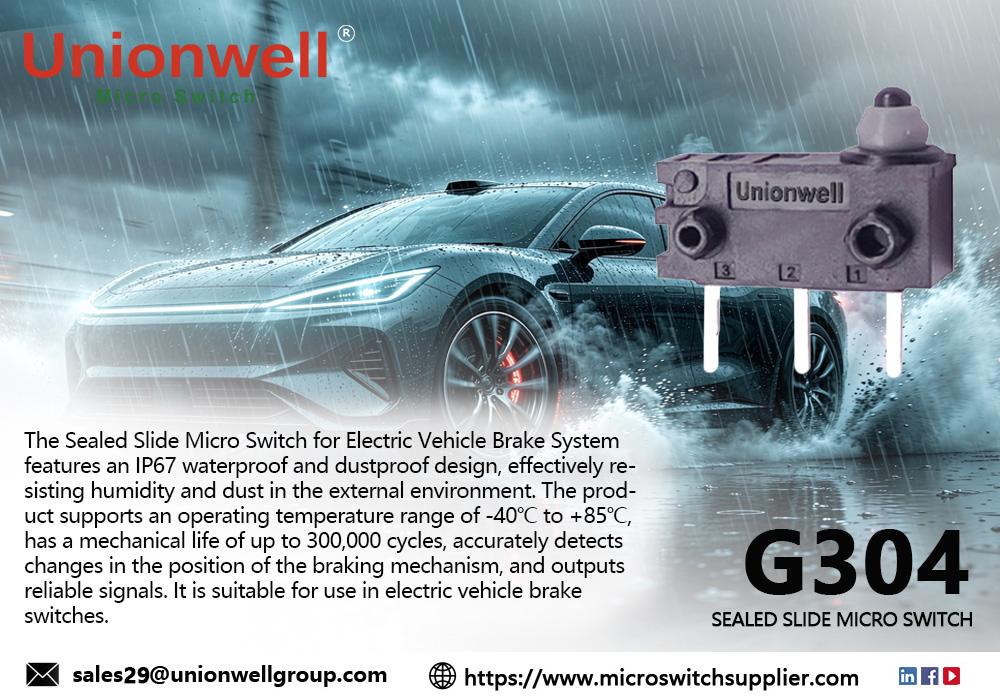
- Waterproof Type: With an IP67 rating or higher, it can operate stably and long-term in high-humidity and high-dust environments, such as the engine compartment and door exteriors.
- Lever/Roller Type: Suitable for applications requiring extended travel or reduced force, such as door locks and tailgate switches.
- Customized Type: Customized switches tailored to specific vehicle models or functional requirements, such as those with integrated sensing functions or high-temperature resistant versions.
Common Automotive Micro Switch Failure Types
Contact Wear and Oxidation
Contacts are a core component within automotive micro switches, responsible for mechanically connecting and disconnecting circuits.With increased use, the contact surface wears due to arcing and mechanical friction, reducing the contact area and increasing contact resistance. Furthermore, when a vehicle is operated in a humid or salty environment (such as coastal areas), moisture and corrosive ions in the air can accelerate contact oxidation, reducing conductivity. If these issues become severe, they can lead to unstable signal transmission, functional failure, and even malfunction of the vehicle control system.
Spring Fatigue And Malfunction
The return spring is a critical component that ensures the automotive micro switch quickly returns to its original position after being triggered. When the switch is frequently actuated or exposed to high temperatures for extended periods, the spring's metal structure gradually fatigues and deforms, reducing its elasticity. This can cause the switch contacts to fail to return to their preset positions, resulting in hysteresis, sticking, or even complete failure. For safety-critical components like the brake light switch, this failure can directly impact driving safety.
Sealing Failure And Water And Dust Ingress
Protective sealing structures are crucial for automotive micro switches installed on the exterior or in the engine compartment of a vehicle. Over time, seals or sealants may crack or peel due to UV degradation, chemical corrosion, or mechanical impact. Once the seal fails, dust, moisture, and oil can penetrate the switch interior, corroding the contacts or causing short circuits, ultimately leading to switch performance degradation or failure.
Loose Terminals or Weak Solder Connections
Due to constant vibration and impact during driving, unstable contact can easily occur if the soldering quality of the switch terminals is poor or the connectors are not securely fastened. A loose connection may initially be an intermittent failure, but as vibration accumulates, it can develop into a complete disconnection, resulting in complete functional failure. For example, loose terminals on a door lock switch can prevent the vehicle from locking properly.
Main Causes of Automotive Micro Switch Failure
The automotive operating environment places extremely harsh demands on micro switches, and failure is often the result of a combination of factors:
- Severe Temperature Fluctuations: Engine compartment temperatures can fluctuate between 40°C and 125°C. Thermal expansion and contraction can cause fatigue in the internal structure and seal degradation.
- Mechanical Shock and Vibration: Continuous vibration from driving on uneven roads can impact the switch structure and terminal connections.
- Chemical Corrosion: Engine oil, brake fluid, and coolant in the engine compartment, as well as external salt spray and acid rain, can corrode metal components.
- Electrical Overload: Operating at loads exceeding the rated value can accelerate contact corrosion and shorten electrical life.
- Improper Installation: Improper installation angles, fixing methods, or cable routing can increase mechanical stress and cause premature failure.
How To Prevent Automotive Micro Switch Failures
Selecting High-Quality Products With Appropriate Protection Ratings
For automotive micro switches exposed to the outside environment or within the engine compartment, micro switch with IP67 protection rating should be preferred to ensure long-term reliable operation in environments with water immersion, dust, and high humidity. Also, pay attention to the corrosion resistance of the contact material (such as silver alloy or gold plating) and the high-temperature and UV resistance of the switch housing.
Optimize Installation And Fixing Methods
During installation, avoid excessive cable stretching, twisting, or sharp bends to prevent mechanical stress from being transferred directly to the automotive micro switch, impacting contact life and operational reliability. Ensure the switch's mounting bolts or clips are securely in place to reduce the risk of loosening due to vibration. For locations with high shock or high temperatures, consider models with remote triggering or high-temperature stability to ensure long-term reliable operation in harsh environments.
Regular Inspection and Maintenance
During vehicle maintenance cycles, the automotive micro switch's sensitivity, contact continuity, and terminal connection reliability should be inspected. If oxidation or minor corrosion is observed on the contact surface, it should be treated with a dedicated cleaner. Seals showing signs of aging, cracking, or hardening should be replaced immediately. For switches that trigger frequently, preventative replacement should be performed in strict accordance with the manufacturer's recommendations to reduce the risk of sudden failure and ensure the long-term stable operation of critical vehicle control systems.
Unionwell's Advantages in the Automotive Micro Switch Industry
As an industry-leading micro switch manufacturer, Unionwell offers significant advantages in the design and production of automotive micro switches:
- Highly Durable Materials: Utilizing wear-resistant contact alloys and highly elastic return springs, Unionwell effectively extends mechanical and electrical lifespan.
- Enhanced Sealing Technology: A proprietary double-layer sealing structure and specialized sealant process ensure long-term IP67 and even IP69K protection ratings.
- Strict Testing Standards: Each batch of products undergoes automotive industry-standard tests, including high- and low-temperature cycling, salt spray corrosion, and vibration and shock testing, to ensure stable operation in extreme environments.
- Customization Capabilities: We can design various shapes, actuation forces, contact types, and connection methods to meet the needs of diverse vehicle platforms.
- Complete Certifications: Our products are IATF 16949 certified and comply with international environmental standards such as RoHS and REACH.
Conclusion
Although small, automotive micro switches play a critical role in vehicle safety and functional control. Understanding common automotive micro switch failure types, causes, and preventative measures can not only extend product lifespan, but also reduce after-sales maintenance costs and improve overall vehicle reliability.
If you are looking for high-quality, durable automotive micro switches compatible with a variety of vehicle models, Unionwell is a trusted partner. Contact our technical team today for customized solutions and sample testing support to enhance the safety and efficiency of your automotive electronic systems.
How To Select The Right Waterproof Micro Switch For Industrial Applications:Common Mistakes To Avoid
How To Replace Micro Door Switch On a Microwave
Related Article