What is SPST Micro Switch ? Benefits and Applications
Micro switches are a commonly used electrical component in modern equipment and play a vital role, especially in electronic and industrial systems. Among the many types of switches, SPST micro switches are widely used because of their simplicity and efficiency. In this article, we’ll explore the definition, benefits, types, applications, and frequently asked questions surrounding SPST micro switches.
What is Micro Switch?
Micro switches are snap action micro switches, a compact, highly sensitive switch designed for fast operation with minimal actuation force, which operates primarily through a spring loaded mechanism to ensure speed and reliability.
Features
Snap-Action Mechanism: A pre-loaded spring releases quickly, producing a crisp “click” that ensures consistent electrical contact.
High Durability: Rated for up to 100,000~1,000,000 of cycles.
Low Operating Force: Requires very little movement/pressure to actuate, making it ideal for precision applications.
Compact Size: Often only a few cubic centimeters, fitting into tight spaces.
What is SPST micro switch?
The SPST micro switch combines the simplicity of SPST switching logic with the high performance features of a micro switch. It utilizes a single-pole, single-throw electrical configuration with only two terminals: an input terminal and an output terminal. When connected, current is allowed to flow; when disconnected, the circuit is broken. A spring loaded mechanism is used to ensure fast and consistent actuation.
Features
Simple operation: only two terminals, using binary on/off operation
Wide range of usage scenarios: suitable for most direct control tasks, such as household appliances, automotive systems and industrial controls.
Benefits of SPST Micro Switches
Simple and Reliable: The SPST's straightforward design minimizes points of failure and simplifies installation and troubleshooting.
Compact Design: Available in miniature and ultra-compact sizes, SPST micro switches are typically the size of a dime, or even half that size, for applications where space is at a premium.
Snap Action: Snap-action mechanisms provide instantaneous switching by means of a spring-loaded mechanism, which is critical for safety and timing-sensitive systems.
Long Service Life: High-quality SPST micro switches have a service life of up to 1,000,000 cycles, making them ideal for repeated use.
Multiple Mounting Options: Micro switches are typically available with a variety of actuator types and mounting options to suit different applications, such as straight lever, roller lever, pin plunger, etc.
Cost-effectiveness: SPST switches have a simple design and low component count, so they will cost less to manufacture than other micro switches. This advantage makes SPST switches the preferred choice in many applications and will benefit consumers and the industry as a whole.
Disadvantage of SPST Micro Switches
Limited Functionality: They can only turn circuits on or off, making them unsuitable for applications that require multiple outputs or switching Functions. They cannot be used in applications that require multiple circuits or changeover contacts.
Lower Current Ratings: Compared to larger switches, SPST microswitches can generally only handle low to medium currents, such as up to about 10 A at 250 VAC.
Fixed Configuration: Once installed, features cannot be reconfigured without replacing the switch.
Types of SPST Micro Switch
Straight Lever SPST Micro Switch: Straight lever SPST micro switch is mainly a micro switch in which the actuator extends straight out from the switch body. The internal contacts are activated by the displacement of the lever. Commonly used in door interlocks, control panels, and alarm systems.
Roller Lever SPST Micro Switch: Roller lever SPST micro switch generally refers to a micro switch with a roller lever. The roller reduces wear and tear and has an adjustable travel point. Commonly used in conveyor belts, vending machines, and automated equipment.
Pin Plunger SPST Micro Switch: Pin Plunger SPST Micro switches typically refer to micro switches where the actuator is a linear depressor spring plunger. The internal contacts can be activated vertically, resulting in a very precise and space-saving point of travel. Commonly used in printer paper sensors, elevator limit switches, etc.
Application
Consumer Products
SPST switches are often used in consumer products in applications such as power control for devices such as TVs, audio equipment and game consoles. They are also found in household appliances such as coffee makers and blenders for simple on/off function control.SPST switches are easy to integrate and cost-effective for use in consumer products where cost control is important.
Automotive Systems
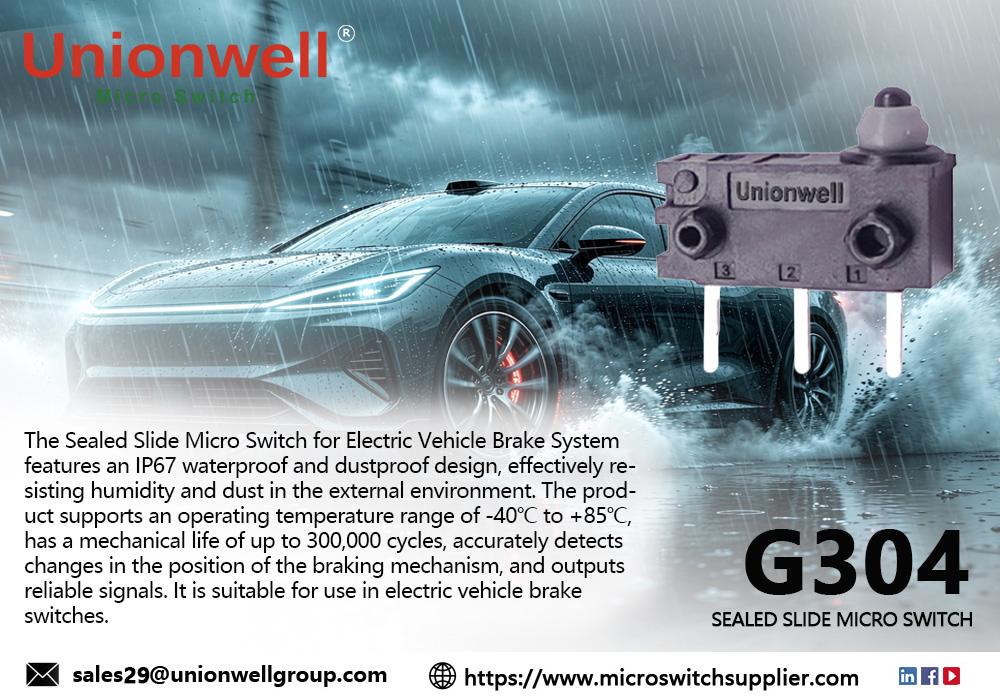
SPST switches are widely used in the automotive industry for a variety of functions, including light controls, window mechanisms, and ignition systems. SPST switches are typically able to withstand extreme temperatures ranging from -20° C to 85° C, maintaining high performance while adapting to the vehicle's harsh operating environment. Additionally, in modern vehicles, SPST switches are able to directly control a wide range of electronic subsystems for the convenience of the driver and passengers.
Industrial Facilities
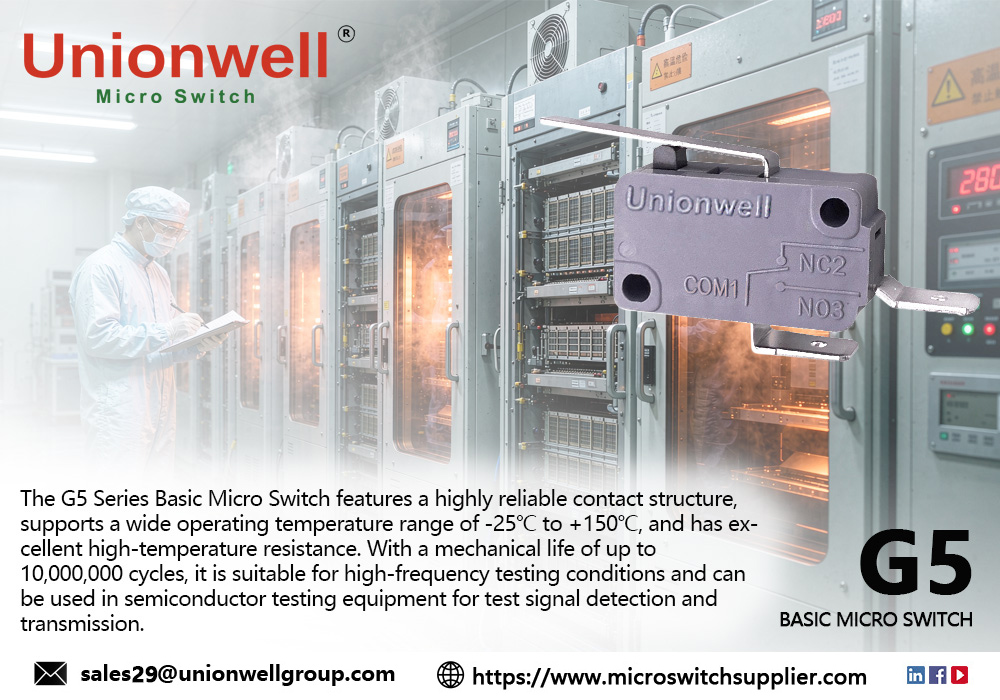
In industrial environments, SPST switches are often used in control panels of machinery and equipment, such as simply starting and stopping motors or starting conveyor belts. Their vibration-proof housings enable them to withstand the harsh conditions common in industrial environments. In addition, the simplicity of SPST switches facilitates maintenance and minimizes downtime, resulting in more efficient and reliable operation.
FAQ
What is the difference between SPST and SPDT micro switches?
A: SPST (Single Pole Single Throw) switches control one circuit with a simple ON/OFF function, while SPDT (Single Pole Double Throw) switches can connect a single input to one of two outputs, allowing more complex switching.
What electrical ratings do SPST micro switches have?
Standard ratings range from 0.1 A at 125 VDC up to 15 A at 250 VAC, depending on the model. Always verify the datasheet for voltage, current, and temperature limits.
Can I use an SPST micro switch in DC circuits?
A: Yes, as long as the voltage and current ratings match the application, SPST micro switches can be used in both AC and DC circuits.
Are SPST micro switches RoHS-compliant?
A: Unionwell offer RoHS-compliant versions free of lead, mercury, cadmium, and other restricted substances.
What is SPDT Micro Switch? A Complete Guide for Beginners
Choosing the Right Micro Switch for Kitchen Electrics: Insights from Manufacturers
Related Article