Choosing the Right Micro Switch for Kitchen Electrics: Insights from Manufacturers
In today’s competitive kitchen appliance market, product reliability and safety are paramount. Behind every high-performance kitchen electrics lies a tiny but critical component: the micro switch. For kitchen appliance manufacturers, selecting the right micro switch can make the difference between a device that endures thousands of cycles and one that fails prematurely. In this article, we explore what micro switches are, the types commonly used in kitchen electrics, their applications, and how to choose the best micro switch for kitchen electrics.
What is a Micro Switch
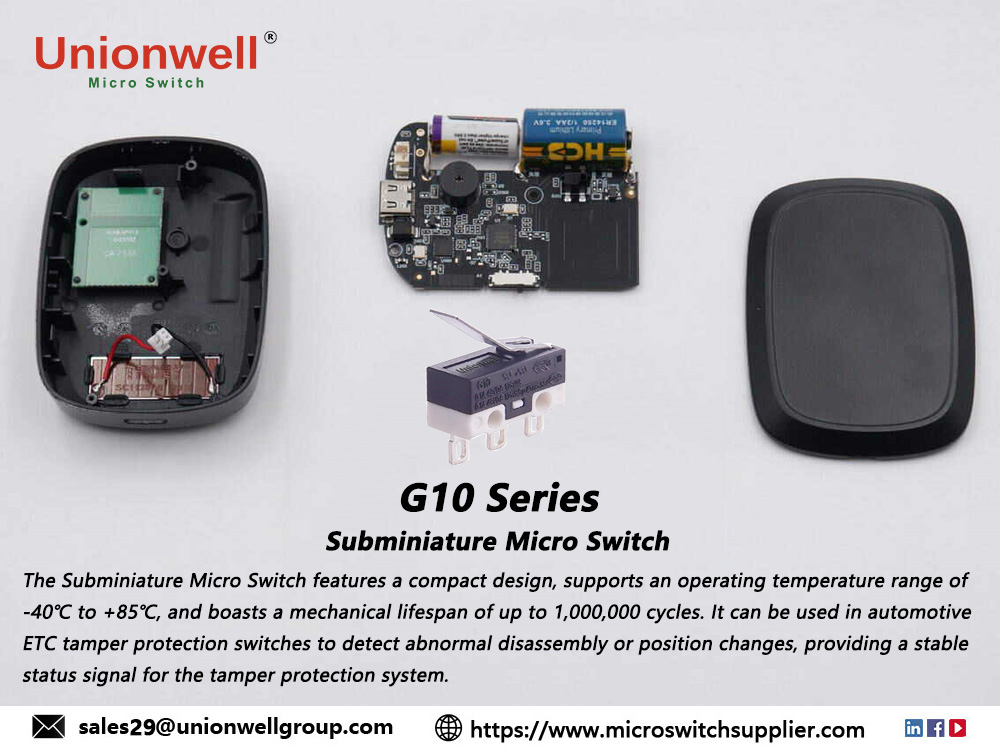
Micro switches are small and sensitive switches, usually half the size of a thumb, some are even as big as a fingernail cap, and require very little physical force to activate. The internal spring+contact mechanism is used to form a snap-action structure, which provides reliable electrical contact even under repeated cycling conditions.
Features
Snap action structure: With small spacing between the contacts inside the micro switch and a defined stroke and force for electrical through-connection, the micro switch is able to open or break contacts quickly while maintaining stability.
Low actuating force: The low actuating force required by the micro switch ensures that wear and tear is minimized and that operational sensitivity is guaranteed.
Small size: The compact size of the micro switches allows them to be integrated into small equipment housings.
High durability: The mechanical and electrical life of the micro switch is typically in the range of 100,000 to 10,000,000 cycles, allowing it to withstand frequent operation without degradation of performance.
Types of Micro Switches Used in Kitchen Appliances
Basic Micro Switches
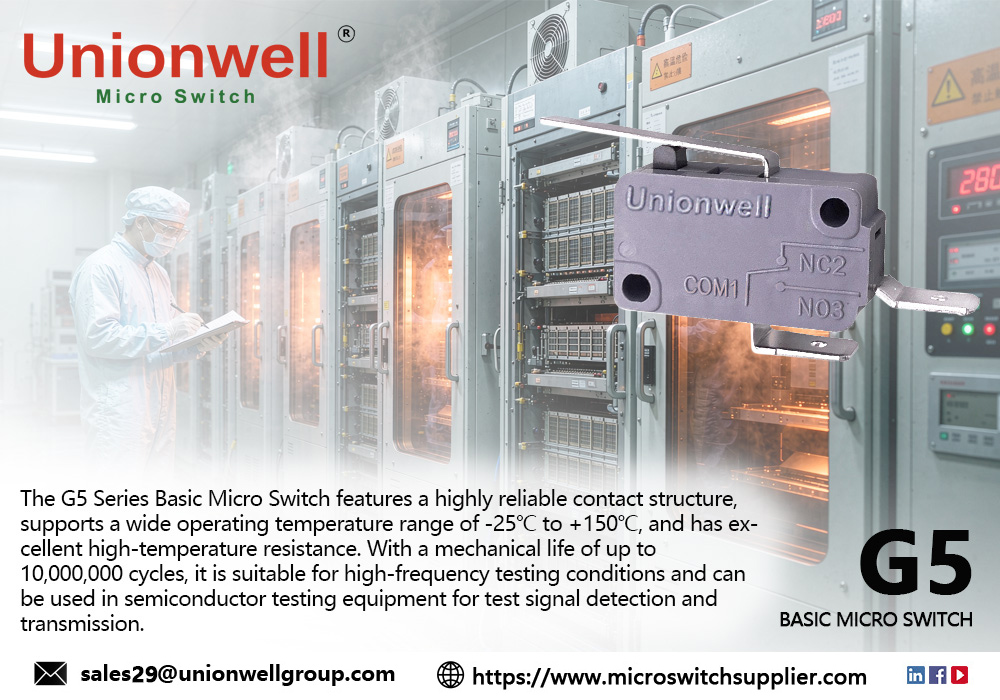
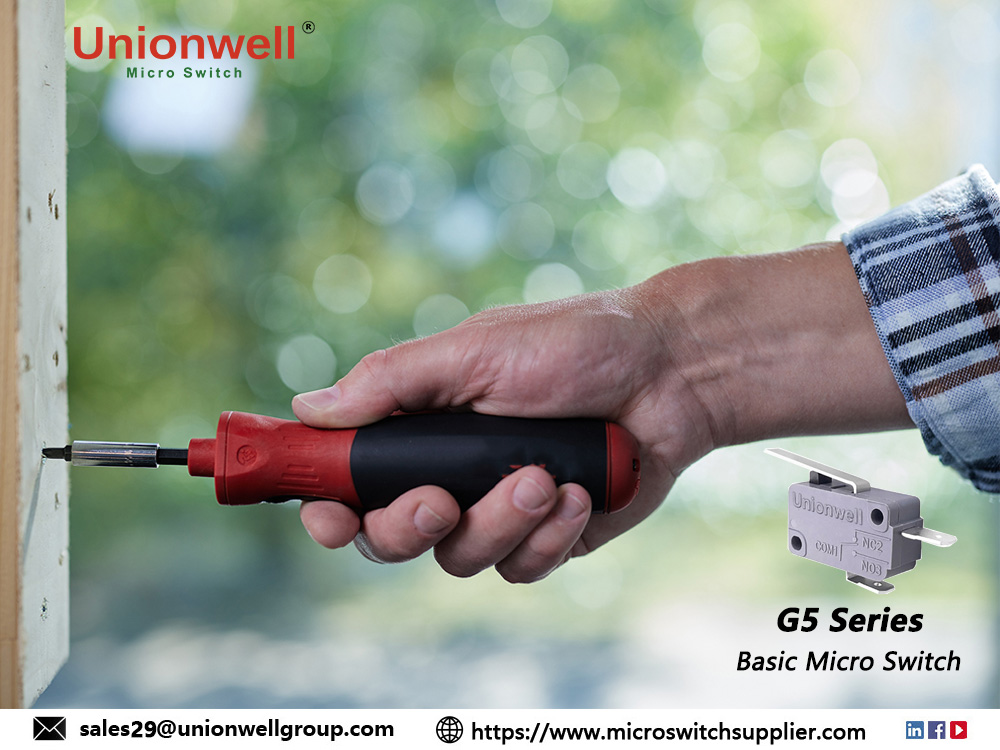
Basic micro switches are the most versatile non-sealed micro switches for use in dry, enclosed equipment.Examples include inner door interlocks on microwave ovens and control panels on ovens.They can withstand actuation forces of 7gf~600gf and extreme temperatures of -25°C~150°C.
Sealed Micro switches
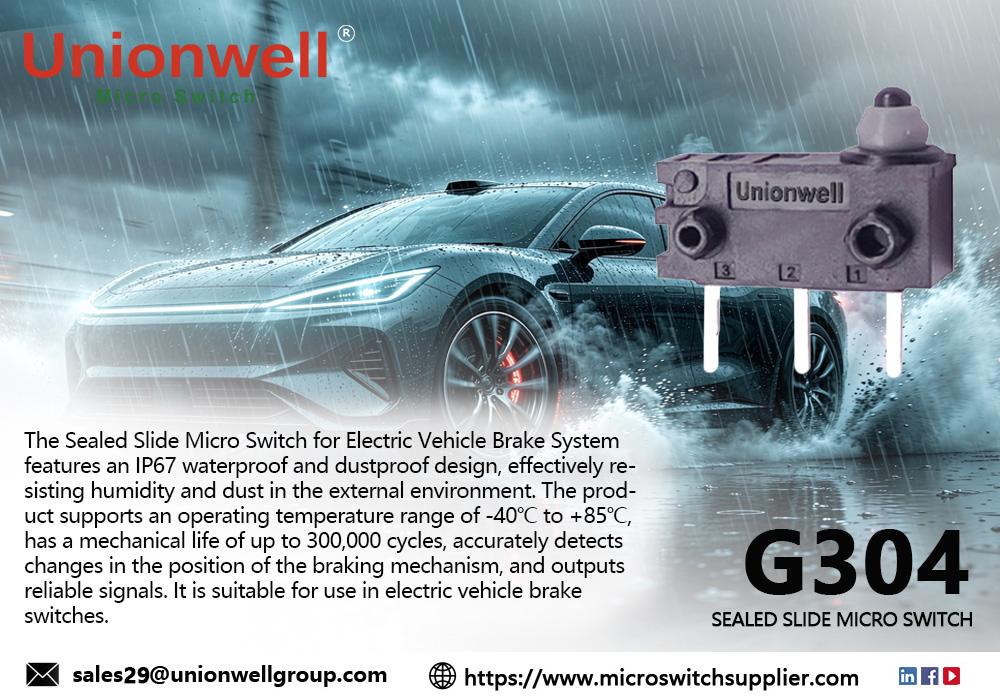
Sealed micro switches are usually waterproof and dustproof micro switches with IP protection certification for protection against water, dust and steam, which is critical in a kitchen environment. For example, the G3 series of hermetically sealed switches are IP67 rated to protect against moisture ingress, making them ideal for steam-generating devices such as rice cookers and pressure cookers.
Pressure Micro Switch
Pressure micro switches are typically used in gas stove with electrical ratings: ≥0.1 and ≤5A, designed to detect and respond to changes in air pressure, and to improve operational efficiency while maintaining kitchen safety.
Refrigerator Micro Switches
Refrigerator micro switches are designed for reliable operation of refrigerators and freezers at low temperatures. Primarily used for refrigerator door detection and lighting control inside the refrigerator, some microswitches are available with IP67 and ATEX protection.
The Importance of Micro Switches in Kitchen Electrics
Rice Cooker
The basic micro switch is pressed and mounted at the bottom of the rice cooker and connects the electric current through the pressure and acts as a safety switch to protect it from being heated up without food. Once there is no food inside the rice cooker, then the power will not be turned on, but when we put rice and water in it, the power of the appliance will turn it on and then switch the cooking action. At the same time, the micro switch will ensure that the lid is always closed, which is not only more efficient but also safe for the user.
Electric Pressure Cooker
There is a wired switch on the top of the upper lid of the electric pressure cooker. Cover the lid, the user needs to rotate the handle to the locking position, in the process, the handle driven by the insulating block below the rotation; when the block moves to the limit position, the protruding part of the pressure of the micro switch handle, the circuit is turned on, the control system receives the locking signal, allowing the panel to operate; on the contrary, the system will display an error code, suggesting that the lid is not locked, to play a role in the safety protection.
Microwave Oven
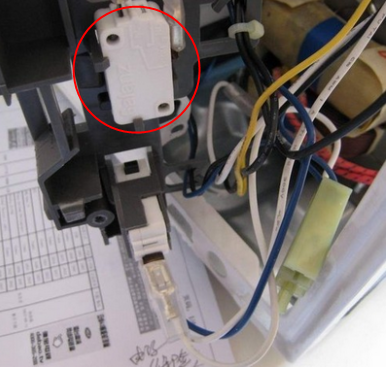
Generally speaking, there are three micro switches in the door structure of a microwave oven, in which 2 micro switches trigger different circuit states when the door opens and closes, thus affecting the turn-on and turn-off of the power supply of the induction cooker. When any of these micro switches indicates that the door is not closing properly or is not closing tightly, the microwave oven will not be able to start properly, thus avoiding microwave leakage. In this door link switch, there is also a monitor switch whose main function is to prevent the safety switch from being damaged and normally shorted. Play the role of double protection.
Gas Stove
Gas stoves are usually built with a pressure switch as a safety and detection mechanism that detects the flame to prevent gas leaks or excessive temperatures. The air pressure switch in a gas range ensures that the range's ventilation system is working properly and that there is sufficient airflow to promote safe combustion. The air pressure switch is usually connected to the exhaust system or blower and is used to monitor changes in air pressure to ensure that air is being drawn into the system properly. If the system detects an abnormal air pressure reading, the air pressure switch breaks the circuit and prevents the stove from igniting.
Coffee Machine
Typically consisting of multiple micro switches applied inside a coffee maker, the pump and heating element are started and stopped using rocker type micro switches. The use of waterproof micro switches within the reservoir ensures accurate level detection and safety interlocks for removable reservoirs.
Refrigerator
When the refrigerator door is opened, the switch is free (ON) and the refrigerator light illuminates; when the door is closed, the switch is depressed (OFF) and the refrigerator light goes out; provides door open alarm and smart defrost cycle activation.

How to choose the right micro switch for your kitchen electrics
Selecting the optimal micro switch involves balancing performance, cost, and environmental robustness. Here are the key factors B2B kitchen appliance manufacturers should consider:
Environmental Protection
- IP Rating: Choose sealed switches (IP65–IP67) for steam- or splash-prone zones.
- Material Compatibility: Ensure housing and actuator materials resist grease, cleaning chemicals, and heat.
Electrical Specifications
- Voltage & Current Rating: Match the switch to the appliance’s control circuitry, from low-voltage signal lines to high-current heater circuits.
- Contact Material: Silver alloys for low-voltage signals; gold plating for ultra-low-current sensors.
Mechanical Endurance
Lifespan Rating: Look for switches rated for 1–10 million cycles for high-use appliances like commercial coffee machines.
Actuation Characteristics
- Operating Force: Select a force profile that ensures reliable actuation without excessive user effort.
- Travel & Snap Distance: Critical for tactile feel and consistency in mechanical controls.
Certifications & Compliance
Safety Standards: UL, TUV, CE approvals to meet global market requirements.
Conclusion
For kitchen equipment manufacturers, a microswitch is much more than a simple switching element - it's a cornerstone of product safety, reliability and user experience. By understanding the different types of microswitches and how they are used in kitchen appliances, you can ensure that your kitchen appliances stand out in terms of performance and longevity. Contact Unionwell for the latest catalogs and free samples!
What is SPST Micro Switch ? Benefits and Applications
How to Choose the Right Drone Micro Switch: A Complete Guide
Related Article